
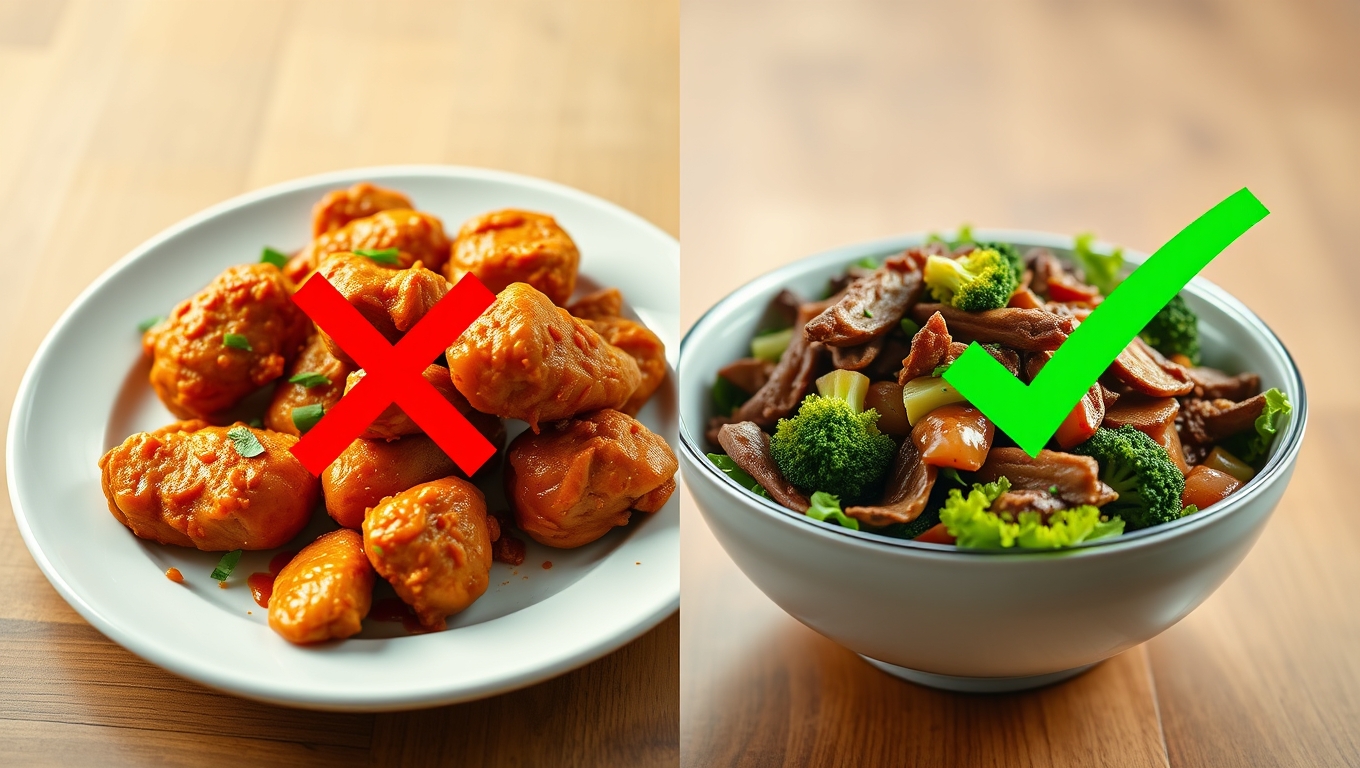
Look, let’s be real for a second. We all have those days. You’re running between meetings, you just finished a grueling leg day, or the meal prep you planned on Sunday didn’t quite make it to Thursday. You’re hungry, you’re busy, and the smell of Orange Chicken is wafting through the air.
As a fitness coach, I hear it all the time from my clients: “Adam, I blew my diet. I went to Panda Express.”
My response? You didn’t blow anything unless you went in blind.
Fast food doesn’t have to be the enemy of your fitness goals. It’s not about restriction; it’s about making informed choices based on data. When you understand the panda express nutrition facts, you can navigate the menu like a pro, keeping your gains steady and your energy high. You just need the right roadmap.
Today, I’m going to walk you through exactly how to eat at Panda Express without derailing your progress. We are going to look at the numbers, the hidden traps, and the surprisingly solid options available to you.
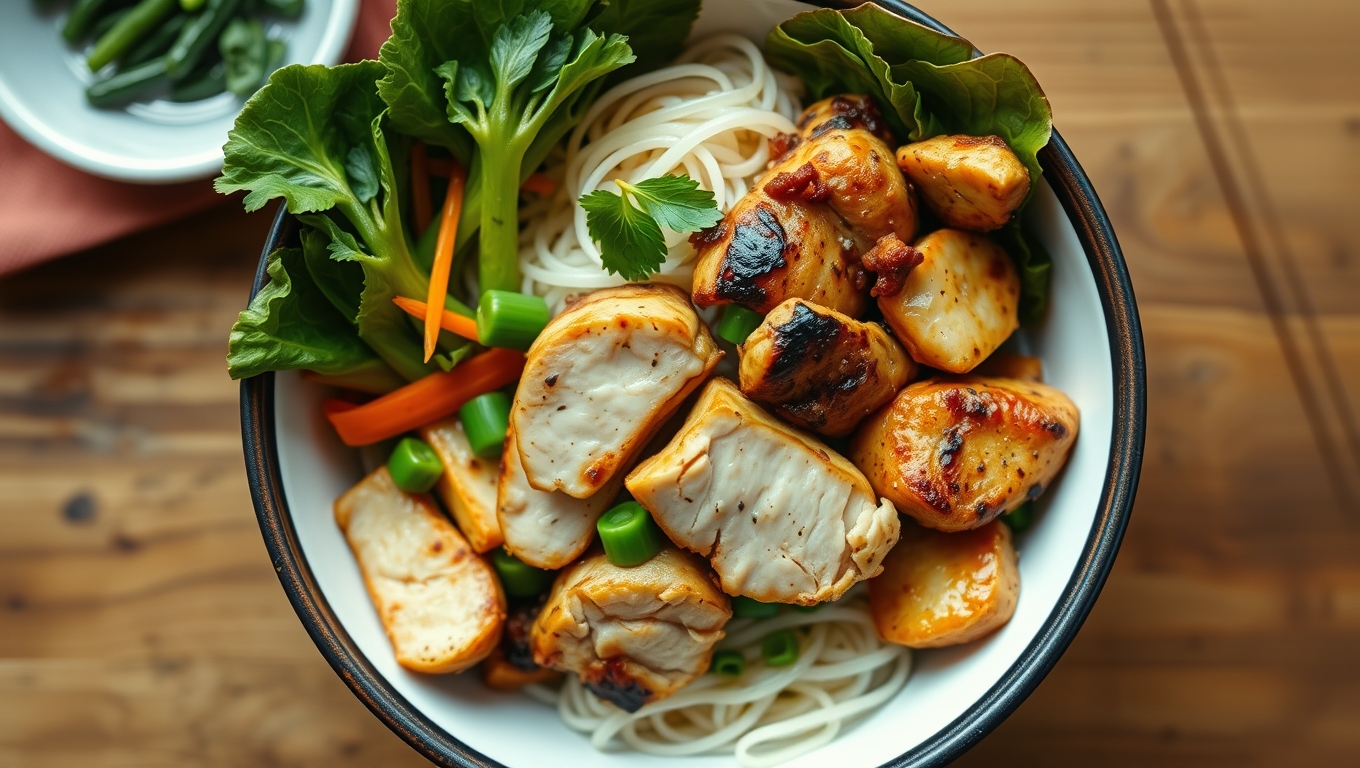
Decoding Panda Express Nutrition Facts: The Basics for Beginners
If you’ve ever looked at a nutrition guide, it can look like a wall of numbers. Calories, trans fats, dietary fiber it’s enough to make you just order the Rangoon and call it a day. But I want you to look at this differently.
When analyzing panda express nutrition facts, I teach my clients to look for three main pillars: Protein, Calorie Density, and “The Extras” (sugar and sodium).
Panda Express is actually one of the more transparent chains out there. They offer a “Wok Smart” designation for items that are generally lower in calories and higher in protein. However, you need to look beyond the little red logo.
The foundation of a good meal, especially if you lift weights or stay active, is protein. It keeps you full and repairs muscle. At Panda, the protein variance is massive. You have entrees ranging from 10 grams of protein to nearly 40 grams. Knowing which is which is the difference between a meal that fuels you and a meal that just sits in your stomach.
Understanding Serving Sizes: Bowls, Plates, and Family Meals
This is where the math gets tricky, and where most people accidentally double their calorie intake. We have to talk about serving sizes.
Panda Express serves food in three main formats:
- The Bowl: 1 Side + 1 Entree
- The Plate: 1 Side + 2 Entrees
- The Bigger Plate: 1 Side + 3 Entrees
Here is the trap: The side dish portion is usually consistent, but the entrees stack up fast. If you order a Bigger Plate with three servings of Orange Chicken and a side of Chow Mein, you are looking at a meal that easily exceeds 1,500 calories. For many of you, that is nearly your entire daily allowance.
However, serving sizes can also work in your favor. If you are in a bulking phase and need 3,000+ calories a day, a Plate offers a very easy way to get 800-1,000 calories in a single sitting without feeling overly stuffed.
For my clients focused on fat loss, I almost strictly recommend the Bowl. It forces portion control. You get a substantial amount of food, but the container physically limits how much damage you can do. If you must get a Plate, make the second entree a veggie-heavy option like Super Greens or a double order of the leanest protein.
Macro Tracking at Panda Express: Balancing Protein, Carbs, and Fats
If you are serious about your physique, you are probably logging your food. Macro tracking at Panda Express is surprisingly straightforward because the company publishes standardized data, but you have to be precise.
When you are tracking, the margin for error usually comes from the servers. That scoop of Beijing Beef might be a “heaping” scoop rather than a level one. When I track these meals, I always add a 10-15% buffer to the listed fat and carb content just to be safe.
Here is a winning formula for macro tracking success at the drive-thru:
- Anchor with Protein: Start with the Grilled Teriyaki Chicken (sauce on the side—we’ll get to that later). This gives you roughly 36g of protein (without sauce).
- Control the Carbs: If you trained hard today, get half brown rice, half greens. If it’s a rest day, go all greens.
- Watch the Fats: This is the silent killer in Chinese-American takeout. Everything is cooked in oil. Even the “healthy” veggie dishes have oil involved in the wok frying process. By choosing non breaded chickens (like the String Bean Chicken Breast), you drastically reduce the fat content compared to the deep-fried options.
The Hidden Impact: Managing Sodium Levels and Sugar Content in Popular Sauces
Okay, time for some tough love. We need to discuss the two things that make this food taste so good: salt and sugar.
Sodium Levels
Fast food is notorious for high salt, and Panda is no exception. Sodium levels in a single entree can range from 600mg to over 1000mg. If you consume a Plate with Fried Rice and two salty entrees, you could easily hit 2,500mg of sodium in one meal that is the recommended limit for an entire day.
Why does this matter? High sodium causes water retention. If you step on the scale the morning after a Panda feast and see the number up by 3 pounds, don’t panic. You didn’t gain 3 pounds of fat overnight. You are holding water. Drink an extra liter or two of water to help flush your system, and the weight will normalize in 48 hours.
Sugar Content
The second hurdle is sugar content. Many of the most popular dishes are essentially protein candy. The Orange Chicken? It has nearly 20g of sugar per serving. The SweetFire Chicken Breast? Over 25g. That is like crumbling a candy bar over your chicken.
To manage sugar content, you have to look for savory profiles rather than sweet glazes. Black Pepper Chicken and Broccoli Beef are excellent choices because the flavor comes from spices and savory sauces rather than high fructose corn syrup glazes.
The Wok Smart Menu: Your Go To List for Lower Calorie Options
Panda Express introduced the “Wok Smart” symbol to highlight items that are 300 calories or less and have at least 8g of protein. As a coach, I love this shortcut, but I still vet them individually.
Here is why the Wok Smart menu is your best friend: volume. You can eat a significant volume of food for very few calories.
My Top Wok Smart Picks:
- String Bean Chicken Breast: 190 Calories, 14g Protein. This is a volume eater’s dream. The string beans take up space in your stomach, providing fiber and satiety.
- Mushroom Chicken: 170 Calories, 12g Protein. Very low calorie. You could technically eat two servings of this for fewer calories than one serving of Beijing Beef.
- Black Pepper Angus Steak: 180 Calories, 19g Protein. A premium option that offers a different micronutrient profile (iron, zinc) compared to the chicken options.
When you stick to this section of the menu, you are automatically filtering out the deep-fried, heavy-batter items that wreck your macros.
Smart Side Swaps: Moving Beyond Fried Rice and Chow Mein
I’m going to say something that might hurt your feelings: The Chow Mein is not worth it.
When you look at the panda express nutrition facts, the sides are often where the battle is lost.
- Chow Mein: ~510 Calories.
- Fried Rice: ~520 Calories.
- Super Greens: ~90 Calories.
Do you see that difference? By swapping the Chow Mein for Super Greens (a mix of broccoli, kale, and cabbage), you save over 400 calories. That is an entire meal’s worth of calories for some people.
If you absolutely need the starch, opt for Steamed White Rice (~380 calories) or Brown Rice (~420 calories). While the calories are still high, you are avoiding the extra oils and sodium found in the fried versions. My personal favorite “hack” is to ask for “Half Rice, Half Greens.” You get the satisfaction of the carbs but cut the caloric impact significantly.
Top 5 Healthiest Entree Picks for Weight Management
If you are standing in line and panicking, memorize this list. These are the top 5 items I recommend to clients who want to stay lean while enjoying their meal.
1. Grilled Teriyaki Chicken (Order it RIGHT)
- The Stats: 300 Calories, 36g Protein (without sauce).
- Why: This is the king of fast-food macros. It is grilled thigh meat.
- The Catch: You MUST ask for the sauce on the side. The glaze adds significant sugar. Dip your fork, don’t drown the chicken.
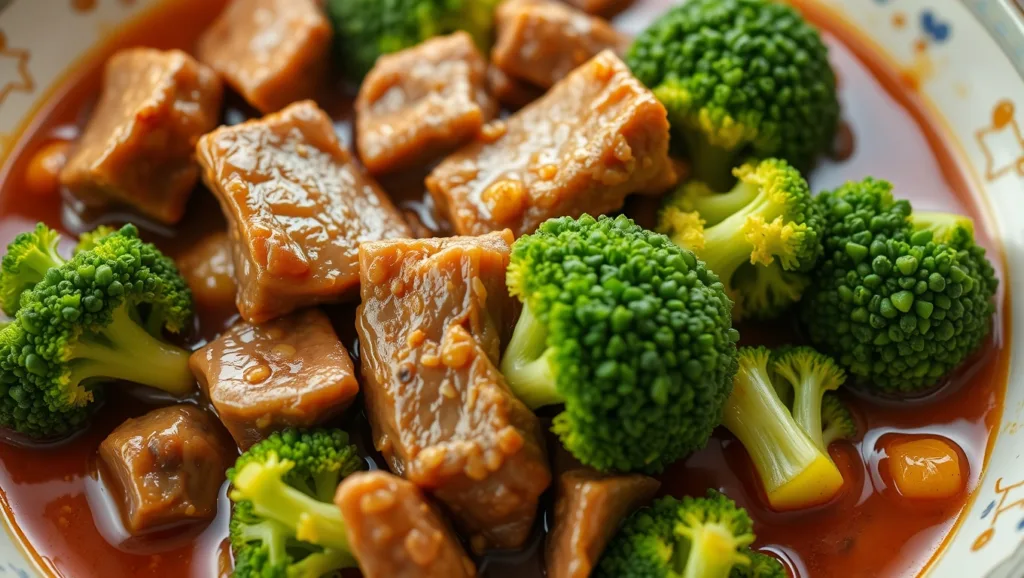
2. Broccoli Beef
- The Stats: 150 Calories, 9g Protein.
- Why: Extremely low calorie. You get a great serving of vegetables.
- The Catch: Lower protein than chicken dishes, so consider a double portion.
3. String Bean Chicken Breast
- The Stats: 190 Calories, 14g Protein.
- Why: A balanced mix of lean protein and fiber-rich veggies. The ginger soy sauce is flavorful without being overly sugary.
4. Black Pepper Chicken
- The Stats: 280 Calories, 13g Protein.
- Why: It’s not “Wok Smart,” but it’s delicious and relatively reasonable. It has a great kick to it which can help with satiety.
5. Super Greens (As an Entree)
- The Stats: 90 Calories, 6g Protein.
- Why: Yes, you can order veggies as an entree item! If you are not super hungry for meat, or if you had a heavy lunch, getting a Bowl with Super Greens as the side AND Super Greens as the entree gives you a massive nutrient bomb for under 200 calories.
Expert Tips for Customizing Your Order for Better Nutrition
You are the customer, and you have the right to customize (within reason). Here are a few “pro tips” I use to optimize the panda express nutrition facts in my favor:
- The “Light Sauce” Request: It doesn’t always work during the lunch rush, but if it’s slow, you can ask if they can drain the spoon a bit more before serving. Every drip of sugary glaze you save counts.
- Hydration Strategy: Because we know the sodium levels are high, I want you to drink 16oz of water before you take your first bite. It aids digestion and combats the salt intake immediately.
- The Fork Dip Method: If you get the Teriyaki Chicken with sauce on the side, dip your fork in the sauce, then stab the chicken. You get the flavor on your tongue, but you consume 75% less sugar than if you poured it over the top.
- Vegetable Loading: If you order an entree like Mushroom Chicken and the tray looks low on zucchini but high on chicken, ask the server if they can grab a scoop with more veggies (or vice versa depending on your goals).

Conclusion: Enjoying Your Favorites While Staying on Track
Here is the bottom line: Fitness is not about suffering. It’s about sustainability. If you love Panda Express, you don’t have to banish it from your life to get a six-pack or lose twenty pounds.
By understanding the panda express nutrition facts, monitoring your serving sizes, keeping an eye on sodium levels and sugar content, and practicing diligent macro tracking, you can make this food court staple work for you.
Next time you walk up to that counter, don’t feel guilty. Walk up with confidence. Order the Super Greens, grab the Grilled Teriyaki Chicken, skip the soda, and enjoy your meal. You’re fueling your body, not failing your diet.
Stay consistent, stay smart, and keep moving.
By Adam Steele