
Hey team, Adam here. If you’ve ever wandered down the dairy aisle of your local grocery store while trying to stick to a fitness plan, you know it can feel like a minefield. One minute you’re looking for a healthy snack, and the next you’re holding a yogurt cup that has as much sugar as a candy bar.
In my years of coaching clients, from total beginners to competitive athletes, one product keeps popping up in food logs: Oikos Triple Zero. It’s marketed aggressively as the holy grail of fitness foods, but does it actually live up to the hype?
Today, we are going to strip away the marketing fluff. We aren’t just looking at the front of the cup; we are turning it around. I’m going to walk you through the oikos triple zero nutrition facts, dissect the ingredient list, and tell you exactly what you’re putting into your body. Whether you are trying to lose weight or build muscle, understanding these details is non negotiable.

Why Oikos Triple Zero is a Fitness Favorite
Before we get into the nitty gritty science, let’s acknowledge why this yogurt is everywhere. It hits the “sweet spot” for macros. When I design meal plans, I am always looking for high volume, high protein, and low calorie density.
Most traditional flavored yogurts are sugar bombs. Most plain Greek yogurts taste like sour cream (which I love, but maybe not with blueberries). Oikos Triple Zero attempts to bridge that gap. It promises the taste of a cheat meal with the profile of a health food. But as we know, when things sound too good to be true, we need to investigate.
Breaking Down the Name: What Does ‘Triple Zero’ Actually Mean?
Marketing teams are smart. They know that “Zero” is a trigger word for anyone on a diet. But what are the three zeros referring to?
- Zero Added Sugar: This is the big one. They aren’t dumping cane sugar or high fructose corn syrup into the mix.
- Zero Artificial Sweeteners: This is where it gets tricky, and we will discuss this later. They claim no artificial sweeteners, meaning no aspartame or sucralose.
- Zero Fat: It is made with nonfat milk.
While “Zero” sounds great, it leaves a void. If you take out fat and sugar, you have to replace flavor and texture with something. That is where the ingredient list becomes vital.
Oikos Triple Zero Nutrition Facts: A Macro Masterclass
Let’s get right to the data. If you pick up a standard 5.3oz cup (vanilla or mixed berry, for example), here is the breakdown you are generally looking at.
- Calories: ~90-100
- Protein: 15g
- Carbohydrates: 10g
- Fat: 0g
- Fiber: 3g
- Sugar: 5-7g (Naturally occurring)
As a coach, I love these numbers. For 100 calories, getting 15 grams of protein is an incredible return on investment. It is nearly pure protein efficiency. However, to truly understand if this fits your goals, we have to look beyond the calorie count.
The Protein Powerhouse: Understanding Greek Yogurt Macros
When we talk about muscle building and fat loss, protein is king. But not all protein sources are created equal. The reason I often recommend this product to clients comes down to the greek yogurt macros.
Standard yogurt is strained to remove the whey, which leaves behind a thicker, creamier product that is significantly higher in casein protein. Casein is a slow digesting protein. This makes it exceptional for satiety. When you eat a cup of this, the protein clots in your stomach and digests slowly, providing a steady stream of amino acids to your muscles for hours.
If you are snacking on something with poor greek yogurt macros say, a traditional yogurt with 4g of protein and 20g of sugar you are going to crash and be hungry again in 45 minutes. With 15g of protein and 0g of fat, Oikos Triple Zero acts as a metabolic shield, keeping hunger at bay without blowing your daily energy budget.
Inside the Cup: A Deep Dive into the Ingredients List
Okay, class is in session. Grab your reading glasses. This is where most people get lost, but you aren’t most people. You’re here to learn.
The typical ingredients list looks like this:
Cultured Grade A Non Fat Milk, Chicory Root Fiber, Water, Natural Flavors, Stevia Leaf Extract, Malic Acid, Sodium Citrate, Fruit and Vegetable Juice (for color).
Let’s break down the heavy hitters.
The Base: The Benefits of Nonfat Dairy for Weight Management
The primary ingredient is Cultured Grade A Non Fat Milk. This is standard for the industry. By using nonfat dairy, the manufacturer strips away the calorically dense lipid layer of the milk.
Fat is not bad for you let me be clear on that. I love healthy fats. However, fat is 9 calories per gram, whereas protein and carbs are 4. By utilizing nonfat dairy, Oikos keeps the total calorie count near 100. If this were whole milk yogurt, that calorie count would likely double. For my clients who are in a steep caloric deficit, saving those 100 calories for something else (like peanut butter or avocado later in the day) is a strategic win.
Additionally, the “Cultured” part means it contains live active cultures (L. bulgaricus and S. thermophilus). These are the good bacteria that help your gut microbiome, though the specific probiotic count isn’t always listed on the label.
Sweetness Without the Crash: The Role of Stevia in Yogurt
If there is no sugar and no aspartame, how is it sweet? The answer lies in stevia in yogurt.
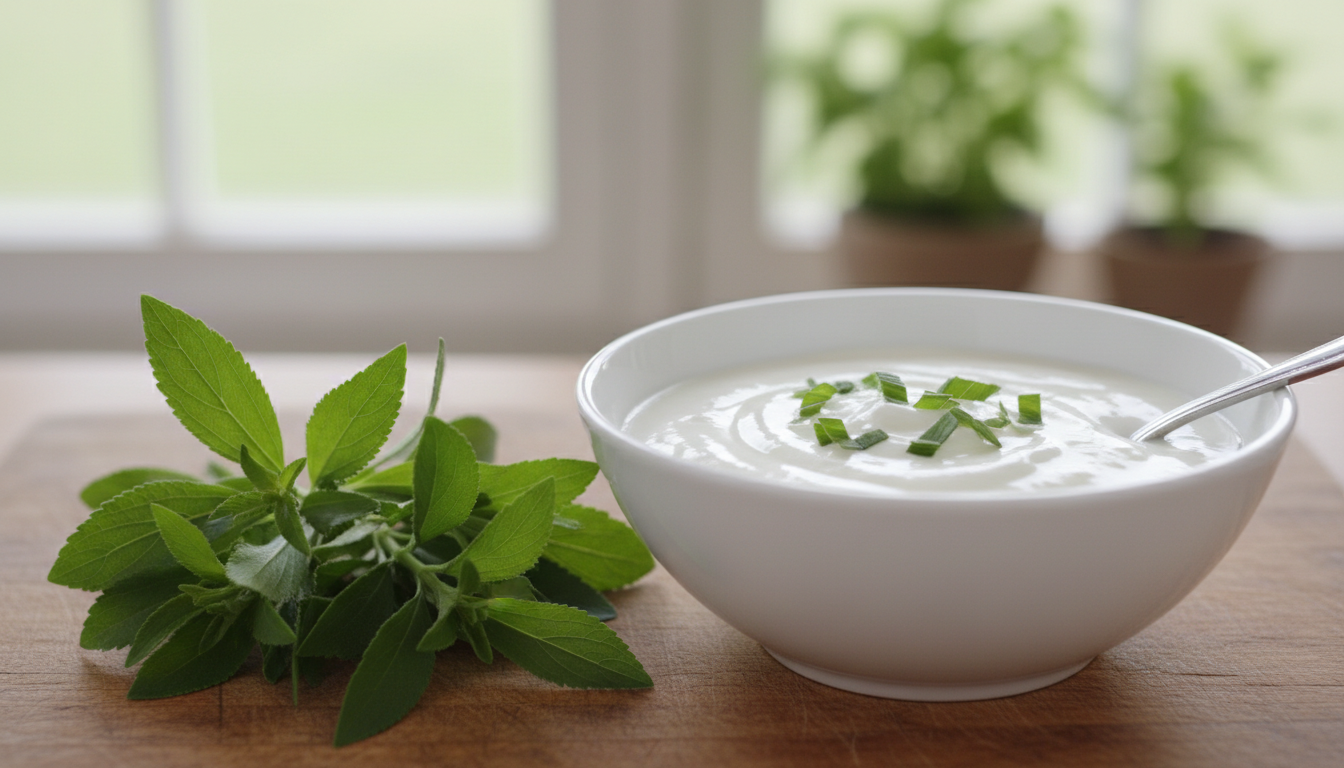
Stevia is a natural sweetener derived from the Stevia rebaudiana plant. Unlike artificial sweeteners that are synthesized in a lab, stevia is extracted from leaves. It is hundreds of times sweeter than sugar but contains zero calories and does not spike insulin.
For many of my clients, stevia in yogurt is a game changer. It allows them to enjoy a “dessert” taste without the insulin response that leads to fat storage. However, I have to be honest with you: Stevia has a distinct aftertaste. Some people describe it as metallic or licorice like. Oikos does a decent job masking this with fruit flavors, but if you have a sensitive palate, you might notice it on the back end of the spoonful.
The Secret Ingredient: What is Chicory Root Fiber and Why Is It There?
This is the ingredient that surprises most people. You see “Fiber: 3g” on the label and assume it comes from the fruit. It usually doesn’t. It comes from chicory root fiber.
Also known as Inulin, chicory root fiber is a soluble fiber extracted from the roots of the chicory plant. Why is it in your yogurt? Two reasons:
- Texture: It acts as a thickener, replacing some of the mouthfeel lost when the fat was removed.
- Nutrition Profile: It boosts the fiber count, which looks great on the label and helps with satiety.
Fiber is essential for digestion and helps regulate blood sugar. However, there is a catch. Chicory root fiber is a FODMAP. For some people, inulin can cause bloating or gas if consumed in large quantities. If you eat three of these cups a day, you might feel a bit rumbly in the tummy. If you have a sensitive stomach, start with one and see how you handle it.
Is It Right for You? Pros and Cons for Beginners
Now that we’ve analyzed the oikos triple zero nutrition facts, let’s weigh the good against the bad.
The Pros:
- Macro Friendly: 15g protein for ~100 calories is elite.
- Convenience: Grab-and-go portability is essential for consistency.
- No Added Sugar: Prevents energy crashes.
- Gut Health: Contains probiotics and prebiotic fiber.
The Cons:
- Texture: It is slightly gummy compared to full fat yogurt (due to the fiber and lack of fat).
- Taste: The “Stevia tang” isn’t for everyone.
- Processing: It is more processed than plain Greek yogurt. “Natural flavors” is a vague term that health purists might dislike.
Expert Tips: Creative Ways to Enjoy Oikos Triple Zero Every Day
If you want to incorporate this into your diet but find eating it plain a bit boring, here is how I spice it up for myself and my clients.
- The “Cheesecake” Bowl: Take a vanilla cup, mix in one tablespoon of sugar free cheesecake pudding mix, and let it sit for 5 minutes. It creates a thick, dessert like consistency.
- The Volume Volatizer: Mix one cup of berry yogurt with a handful of fresh spinach, ice, and almond milk in a blender. You won’t taste the spinach, but you get a massive nutrient boost.
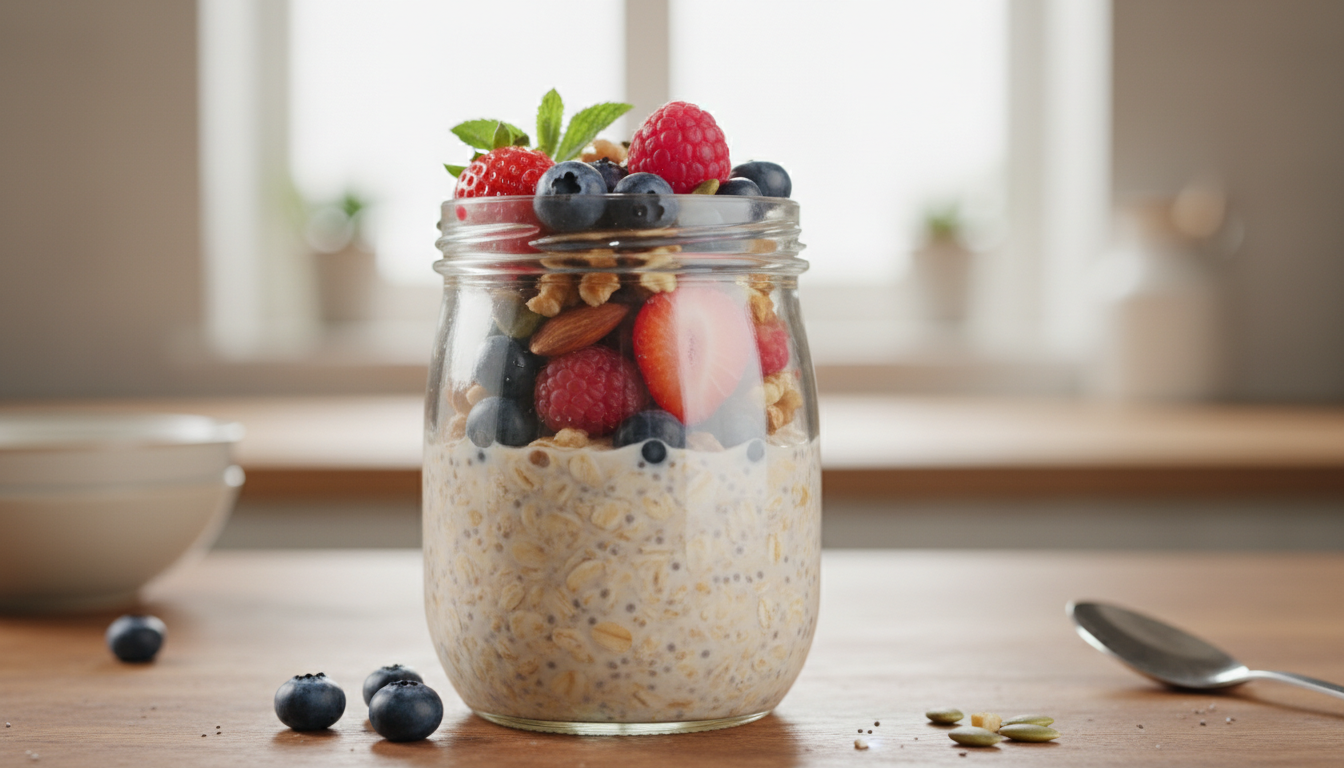
- The Savory Swap: (Use the Plain version if you can find it, otherwise stick to Vanilla for sweet applications). Actually, Oikos Triple Zero is almost exclusively sweet flavors. So, use the Vanilla flavor as a base for overnight oats. Mix oats, chia seeds, and the yogurt, leave it in the fridge overnight. The yogurt provides the creaminess that milk alone can’t achieve.
Final Verdict: Should You Add This to Your Grocery List?
Here is the bottom line. If you are a purist who only eats single ingredient foods, stick to plain, organic Greek yogurt and add your own fruit.
However, if you are like 99% of the people I train busy, craving something sweet, and struggling to hit your protein goals then Oikos Triple Zero is a fantastic tool in your arsenal. The oikos triple zero nutrition facts are simply too good to ignore for someone trying to lose body fat.
It bridges the gap between “health food” and “tasty snack.” It allows you to hit your protein numbers without suffering. And in the fitness game, consistency beats perfection every single time.
So, grab a spoon, watch out for the chicory root if you’re sensitive, and enjoy the gains.
Stay strong,
By Adam Steele