
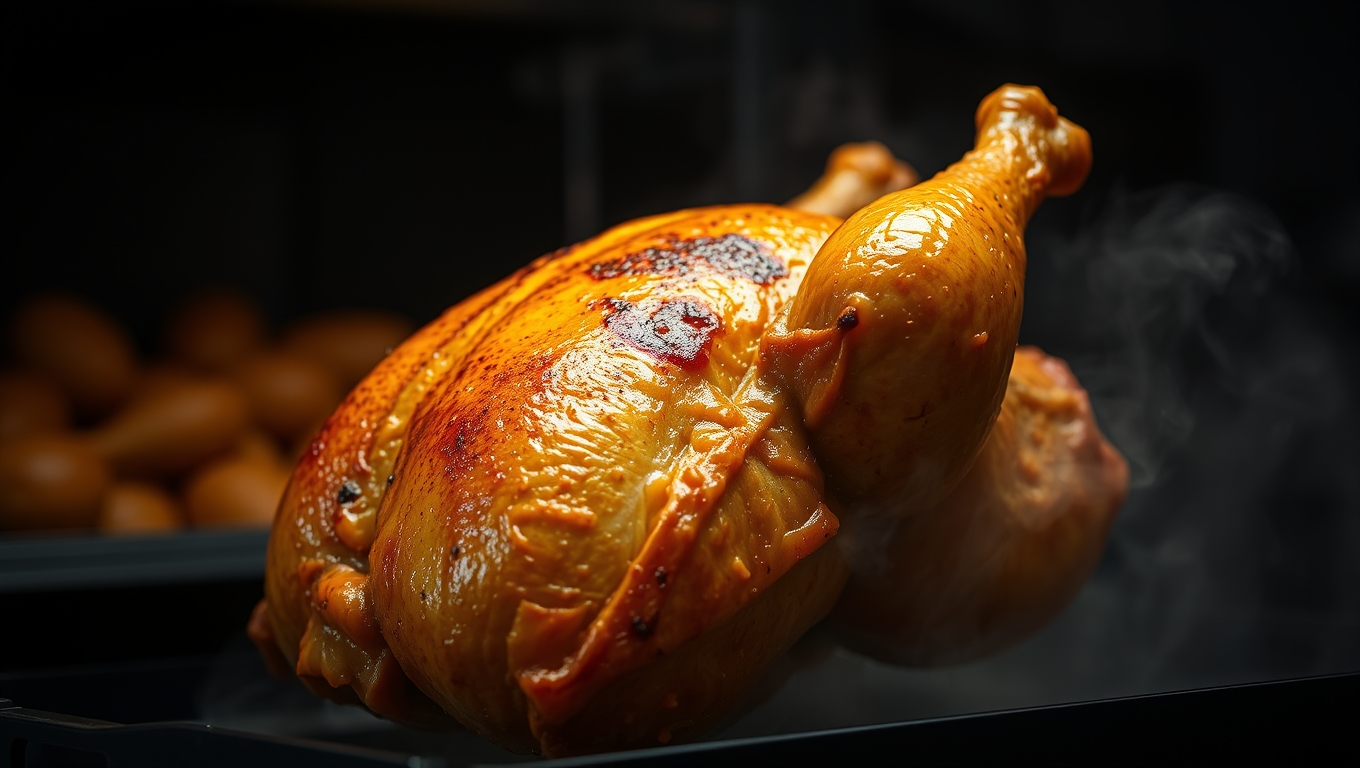
Listen, I get it. You’ve just finished a grueling leg day, you’re starving, and you are walking through the warehouse aisles. You catch that scent savory, salty, roasted perfection. You see the glowing heat lamps and that $4.99 price tag. It feels like a cheat code for your meal prep.
As a fitness coach, I see this scenario play out with my clients constantly. They want to know if this convenient bird is a nutritional savior or a sodium filled trap. The truth? It’s a little bit of both.
We are going to dive deep today. I’m not just going to give you the calorie count and send you on your way. We are going to look at the costco rotisserie chicken nutrition profile from every angle so you can make an informed decision for your gains and your health. We need to talk about the ingredients, the processing, and how to make this fit into a clean diet.

The Magic of the $4.99 Costco Rotisserie Chicken
Before we dissect the macros, we have to acknowledge why this chicken is so famous. It is a “loss leader.” Costco loses money on the chicken itself to get you in the door to buy a giant TV or a year’s supply of almond butter. But for us, the consumers, it represents arguably the best protein per-dollar deal in the entire grocery store.
However, price isn’t the only metric that matters. If you are serious about your body composition, you need to look past the price tag. I always tell my clients that “cheap protein” often comes with hidden costs in the form of additives or low quality sourcing. Is that the case here? Not necessarily, but you need to know exactly what you are putting in your body.
Costco Rotisserie Chicken Nutrition: The Basics You Need to Know
Let’s strip away the skin (literally and figuratively) and look at the numbers. When we talk about costco rotisserie chicken nutrition, we are usually looking at a standard 3 ounce serving size. Here is what that typically looks like for the breast meat with the skin on:
- Calories: ~140
- Protein: 19g
- Fat: 7g
- Carbohydrates: 0-1g
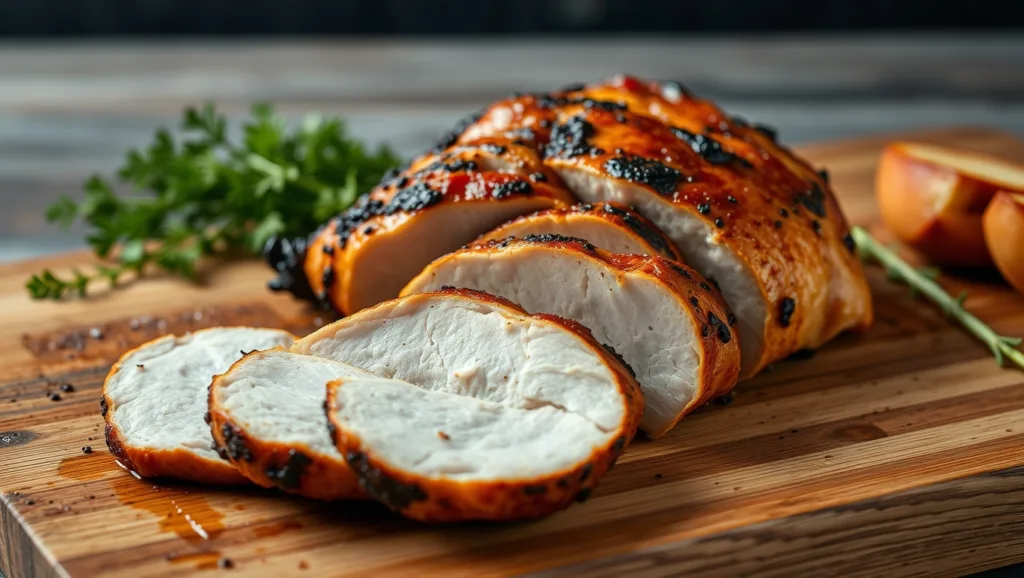
If you take the skin off which I highly recommend for most of my clients trying to stay in a calorie deficit the fat content drops significantly, closer to 2-3 grams per serving, and the protein ratio improves.
On paper, this looks fantastic. High protein, zero carbs, manageable fats. It is the bodybuilder’s dream, right? Well, macros are only part of the story. The quality of those calories matters. This isn’t just a chicken thrown in an oven; it is a processed product designed for mass appeal and shelf stability under those heat lamps.
Let’s Talk About Sodium Levels: What’s Really in That Seasoning?
This is the big one. This is the section where I usually see my clients’ eyes widen. If there is one major drawback to this convenience food, it is the salt.
Standard, raw chicken breast has naturally low sodium maybe 50 to 75mg per serving. The Costco bird? You are looking at roughly 460mg of sodium per 3 ounce serving. That is a massive jump.
Why the discrepancy? The chicken is injected with a saline solution (saltwater) to keep it moist during the long roasting process and while it sits under the heat lamps. If you eat half a chicken which, let’s be honest, is easy for a hungry athlete to do you could easily consume over 1500mg of sodium in one sitting. That is more than half the recommended daily limit for most adults.
High sodium levels can lead to water retention. If you wake up the day after a Costco chicken dinner feeling puffy or “soft,” this is why. It’s not fat gain; it’s water weight holding onto that excess salt. For my clients prepping for a photo shoot or a competition, I usually ban rotisserie chicken in the final weeks for this exact reason.
However, if you are a healthy individual with normal blood pressure and you sweat a lot during your workouts, this sodium bump isn’t a death sentence. It just means you need to adjust the rest of your day. If you have the chicken for dinner, maybe don’t add salt to your rice or veggies. Balance is the key here.
A Close Look at the Ingredients List: What Are You Eating?
When you buy raw chicken, the ingredient list is short: Chicken. When you buy a rotisserie chicken, the list gets a bit longer. To understand the full picture of costco rotisserie chicken nutrition, we have to read the fine print.
The specific ingredients can vary slightly by region and over time as suppliers change, but generally, you will see:
- Chicken
- Water
- Salt
- Sodium Phosphate
- Potato Dextrin
- Carrageenan (in some older formulations, see below)
- Sugar or Dextrose
- Spice Extracts
Let’s break down the scary sounding ones.
Sodium Phosphate: This is an additive used to keep meat moist and improve texture. It is generally recognized as safe by the FDA, but in the fitness community, we try to minimize phosphates because excessive consumption has been linked to kidney stress in people with pre-existing conditions. For the average lifter, it’s not a toxin, but it is a sign of processing.
Potato Dextrin / Modified Food Starch: These are binders. They help the salty brine stay inside the chicken meat rather than dripping out. They contribute a negligible amount of carbohydrates, but they are there.
Sugar: Yes, there is sugar in your chicken. It helps with the browning of the skin (the Maillard reaction). It’s a tiny amount, but if you are on a strict carnivore or zero sugar protocol, it’s worth noting.
The presence of these ingredients confirms that this is a processed food. It is cleaner than a hot dog, absolutely, but it is not as clean as a raw farm raised bird you roast yourself.

The Big Question: Is It Carrageenan Free?
For years, the biggest controversy surrounding the Costco chicken was carrageenan. Carrageenan is a thickening agent derived from red seaweed. While natural, it has been controversial because some studies linked it to gut inflammation and digestive issues.
Many of my clients with sensitive stomachs or IBS found that rotisserie chickens gave them bloating issues. This was often the culprit.
Here is the good news: In recent years, Costco has largely moved to make their rotisserie chickens carrageenan free in the United States. They replaced it with potato dextrin or similar starch based binders. This is a massive win for health conscious consumers.
If gut health is a priority for you and it should be, because you can’t absorb nutrients if your gut is inflamed this change makes the chicken a much more viable option. However, I always advise checking the label at your specific warehouse. Old stock or different regional suppliers might still use different formulations.
Healthy Hacks: How to Fit This Pre-Cooked Bird into Your Diet
So, we know the costco rotisserie chicken nutrition stats. We know about the salt. We know about the additives. Does that mean you should avoid it? Absolutely not. You just need to be smart about it.
I use these chickens. I feed them to my family. But I have a system. Here is how you can hack the chicken to make it a top tier fitness meal.
1. The “Skin Sacrifice”
I know the skin tastes amazing. It’s salty, fatty, and crispy. But it is also where the majority of the fat and a significant portion of the sodium reside. By removing the skin, you instantly transform the nutritional profile from “cheat meal” to “lean protein source.” Peel it off. Your abs will thank you.
2. The Sodium Rinse (Controversial but Effective)
If you are really watching your blood pressure, you can shred the meat and give it a quick rinse under water. Yes, you wash away some flavor, but you also wash away surface sodium. I only recommend this for clients on strict restrictions. For most people, just drinking an extra glass of water is enough.
3. Volume Eating
Because the chicken is calorie dense, pair it with high volume, low calorie foods. Do not eat the chicken with a side of mac and cheese. Shred the breast meat over a massive spinach salad with a squeeze of lemon juice. The potassium in the veggies helps counteract the sodium in the chicken.
4. The Meal Prep Power Move
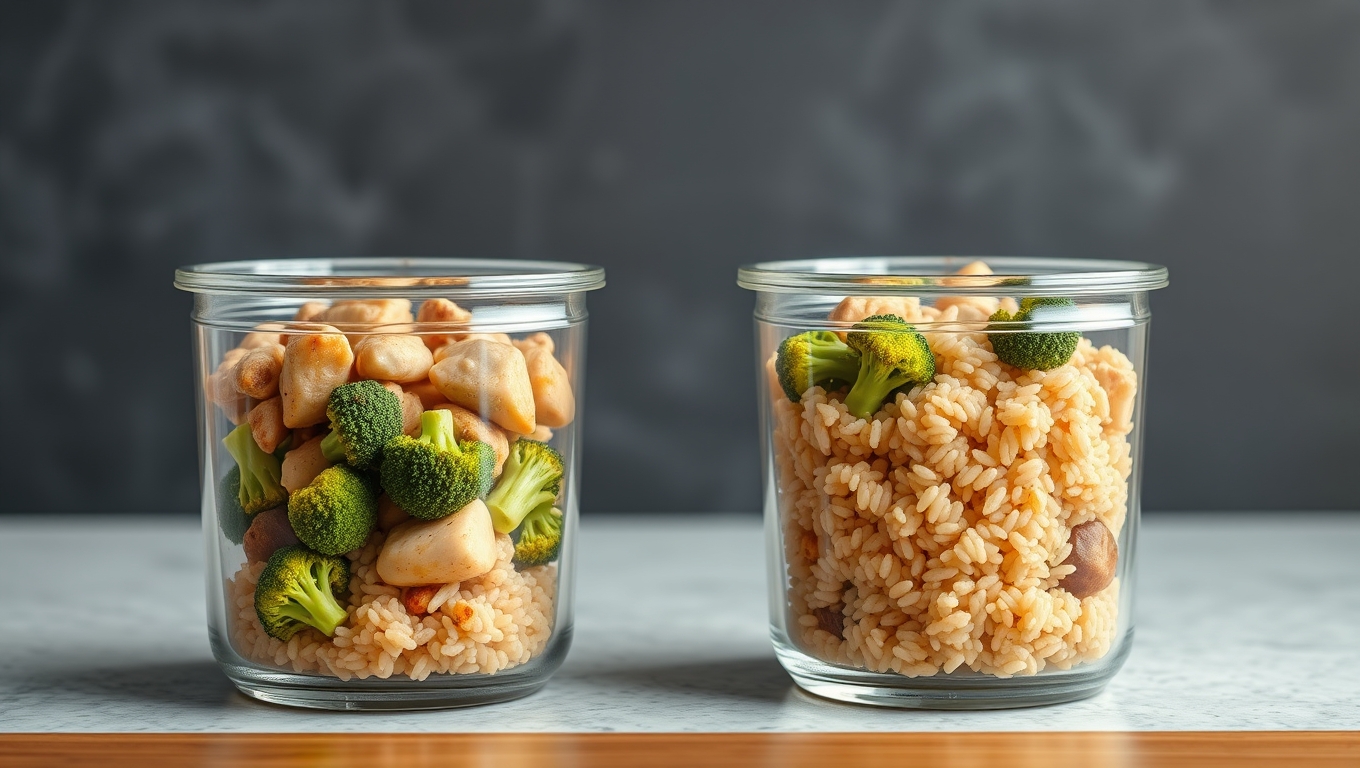
Buy two chickens. As soon as you get home, while they are still warm, strip all the meat off the bones. Weigh it out into 4 ounce portions and freeze them. Now you have emergency protein ready to go. Use the carcass to make bone broth just be careful adding salt to the broth, as the bones already contain plenty from the brine.
Beyond the Breast: Dark Meat vs. White Meat
We focused heavily on the breast meat, but the thighs and drumsticks are where the flavor lives. From a costco rotisserie chicken nutrition standpoint, the dark meat is higher in fat and slightly higher in calories.
- Dark Meat (3oz, skinless): ~160-170 calories, 9-10g fat.
- White Meat (3oz, skinless): ~130-140 calories, 2-3g fat.
If you are a “hard gainer” trying to pack on muscle mass, eat the dark meat. The extra calories will help you hit your surplus. If you are cutting for summer, stick to the breast. It’s that simple. Do not overcomplicate it.
The Psychological Aspect: Convenience vs. Perfection
In the fitness industry, we often let the perfect be the enemy of the good. I have seen people skip a meal entirely because they couldn’t find organic, pasture raised, zero sodium chicken. That is a mistake.
Consistency is the most important variable in fitness. If buying a pre-cooked chicken keeps you from hitting the drive thru for a burger, then the rotisserie chicken is the healthier choice, regardless of the sodium levels.
This chicken buys you time. Time to get to the gym. Time to sleep. Time to relax. Stress raises cortisol, and cortisol kills gains. If this chicken lowers your stress levels by making dinner easy, it is a net positive for your health.
Conclusion: Making the Best Choice for Your Health and Your Wallet
Here is the verdict. The Costco rotisserie chicken is a tool. Like any tool, it can be used to build a masterpiece or it can cause damage if mishandled.
If you eat the skin, pair it with salty sides, and ignore your hydration, the high sodium and fat can set you back. But if you respect the ingredients, remove the skin, and use it as a convenient source of high quality protein to fuel your workouts, it is one of the best values in the fitness world.
Don’t fear the food. Understand it. Master it. And use it to fuel the best version of yourself. Now, go grab that bird and get your protein in.
Stay strong,
Adam Steele