
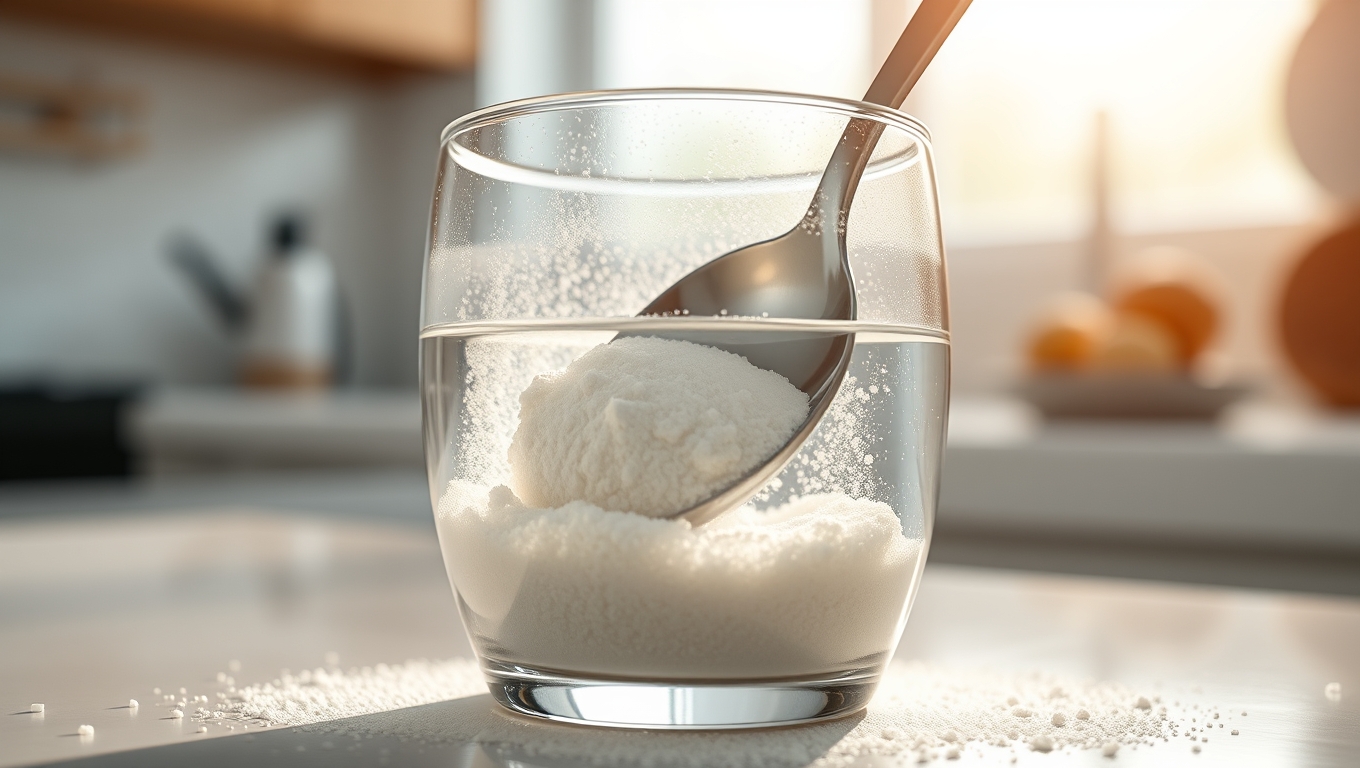
If you have ever walked into a gym, you know the drill. We focus on biceps, quads, and delts. We obsess over macronutrients, counting every gram of protein and carbohydrate. But in my years as a fitness coach, I have noticed a recurring theme among even the most dedicated athletes: they are building their house on a shaky foundation. They train hard, but they feel sluggish. They eat clean, but they deal with constant bloating.
The missing link? It is almost always the gut.
You might not see your microbiome in the mirror, but it dictates nearly every aspect of your physical performance, from nutrient absorption to energy regulation. This is why interest in gut health powder has exploded recently. It is not just a trend; it is a recognition that true fitness starts from the inside out.
However, navigating the supplement aisle can be overwhelming. As your coach today, I am going to cut through the marketing noise. We are going to break down what these powders actually do, how to select one that works, and how to integrate it into your lifestyle without wasting your money.
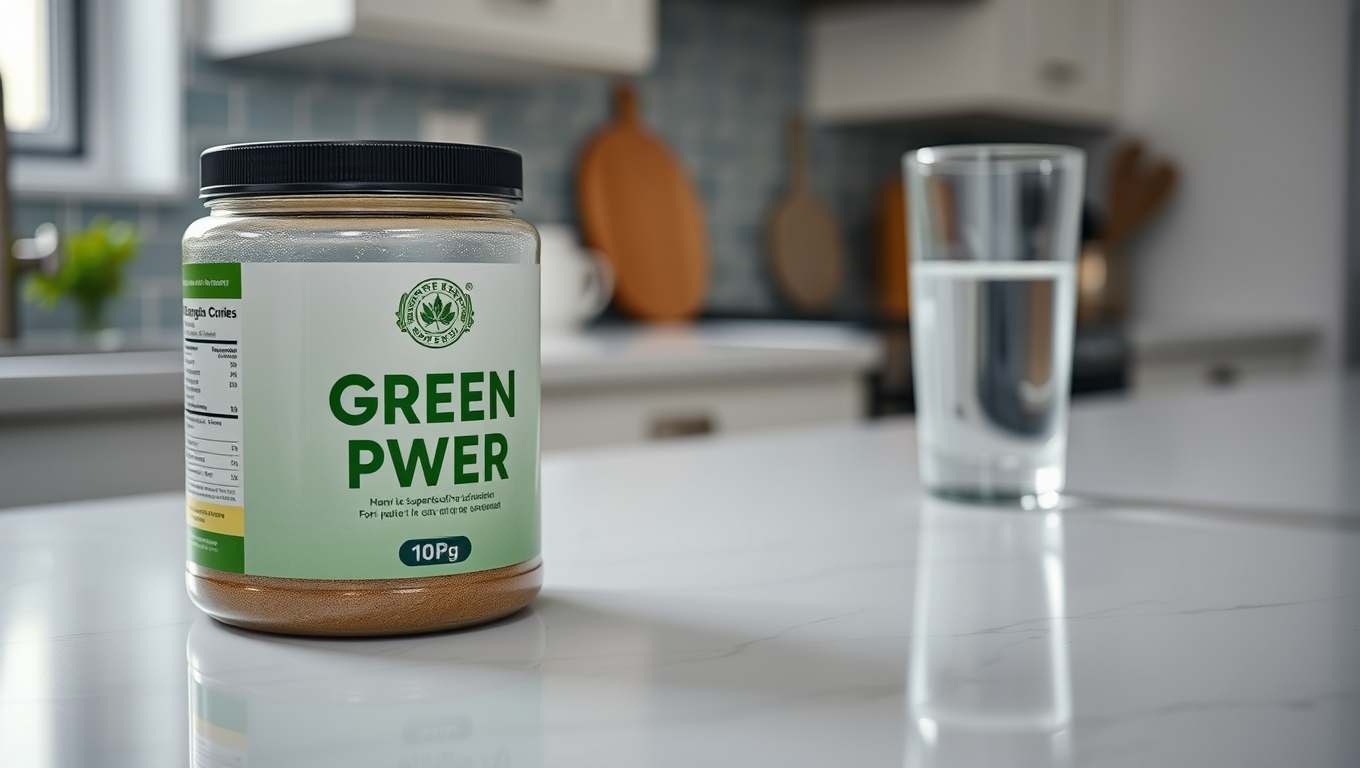
Why Your Gut Health Matters (and How a Powder Can Help)
Think of your gut as the engine room of your body. You can put the highest octane fuel (food) into your tank, but if the engine (your digestive system) is clogged or damaged, you are not going anywhere fast.
Your gut is home to trillions of bacteria, a complex ecosystem known as the microbiome. When this ecosystem is balanced, your immune system is strong, your mood is stable (thanks to serotonin production), and your metabolism runs efficiently. When it is out of whack a condition often caused by stress, processed foods, and antibiotics you experience inflammation, fatigue, and digestive distress.
A high quality gut health powder acts as a comprehensive toolkit for repairing and maintaining this engine. Unlike a simple multivitamin, these powders are formulated to address the structural integrity of the gut lining and the balance of bacteria within it. They bridge the gap between the perfect diet we strive for and the imperfect reality of modern living.
Understanding the Basics: What Exactly is a Gut Health Powder?
Before we start looking at brands, we need to define what we are actually buying. A gut health powder is typically a blend of ingredients designed to improve digestion, reduce inflammation, and support the microbiome.
It is important to understand that not all powders are created equal. Some are glorified fiber supplements, while others are complex formulations containing dozens of active ingredients. Generally, an effective powder will target three main areas:
- Restoration: Fixing the gut lining.
- Replenishment: Adding beneficial bacteria.
- Nourishment: Feeding those bacteria.
I always tell my clients that a powder is a supplement, not a substitute. It is meant to enhance a diet rich in whole foods, not replace it. However, because it is in a powdered form, the bioavailability is often higher than pills, meaning your body can absorb and utilize the nutrients more rapidly a crucial factor if your digestion is already compromised.
The Dynamic Duo: Deciphering Prebiotics and Probiotics
If you look at the ingredient label of any reputable gut health powder, you are likely to see two words that look very similar but function very differently: prebiotics and probiotics. Understanding the relationship between these two is vital for making an informed choice.
Think of your gut as a garden.
Probiotics are the seeds. These are the live, beneficial bacteria that you are planting in the soil. When you consume a supplement containing specific strains like Lactobacillus or Bifidobacterium, you are introducing “good guys” to crowd out the “bad guys.” This helps restore balance to your microbiome.
Prebiotics are the fertilizer. You can plant all the seeds you want, but if the soil has no nutrients, those seeds will not grow. Prebiotics are types of fiber that your body cannot digest, but your gut bacteria love to eat. Common sources you might see on a label include inulin, chicory root, or Jerusalem artichoke.
For a product to be truly effective, it needs to provide both. A powder rich in probiotics but lacking the fuel to keep them alive is a waste of money. Conversely, taking only fiber might help with regularity, but it won’t repopulate a depleted microbiome. The synergy between the two is where the magic happens.
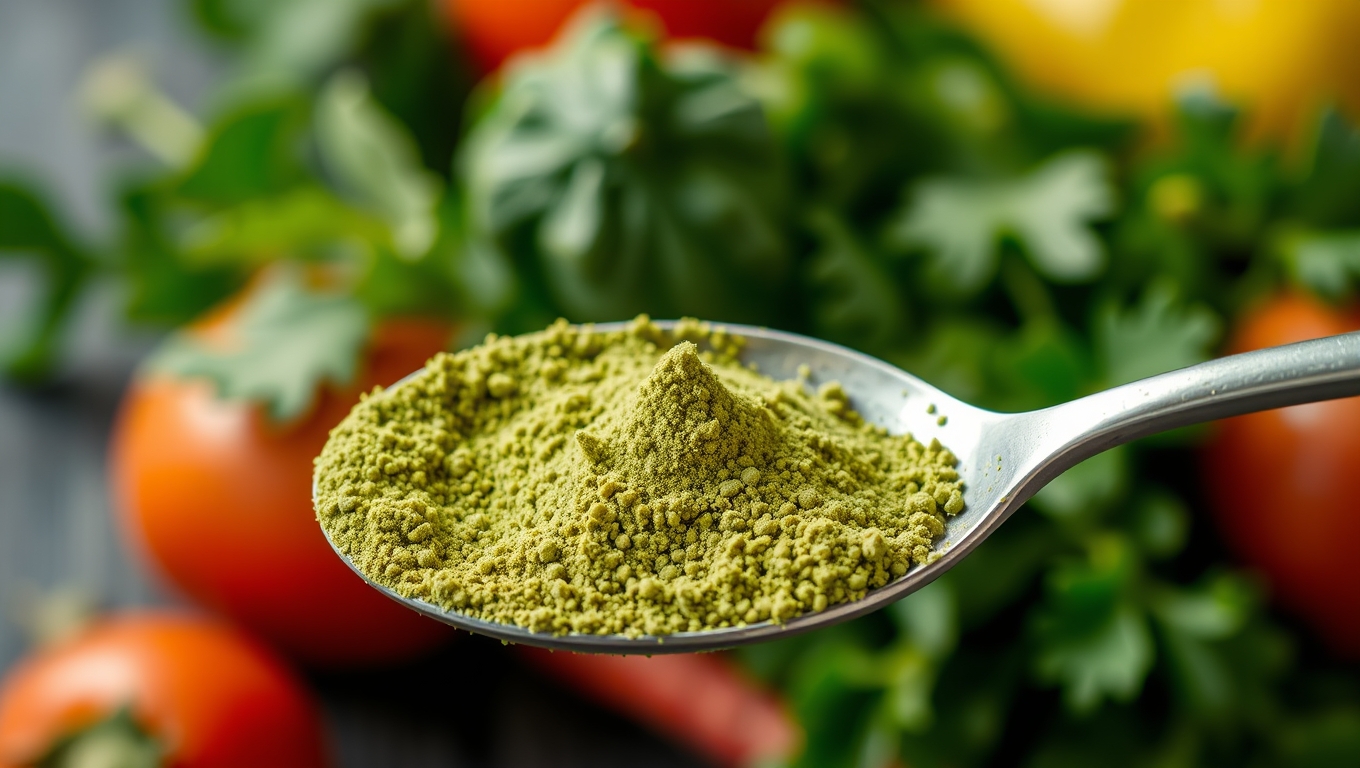
Supporting Long Term Intestinal Health: Key Ingredients to Look For
Beyond the bacterial balance, we need to look at the physical structure of the gut. This is where many generic supplements fail they focus only on bacteria and ignore the terrain. To truly support intestinal health, you need to look for specific repair agents in your powder.
L-Glutamine
If I could only recommend one ingredient for gut repair, this would be it. L-Glutamine is an amino acid that serves as the primary fuel source for the cells lining your intestinal wall. It acts almost like a patch kit for a tire, helping to tighten the junctions in the gut lining. This is essential for preventing “leaky gut,” where toxins escape into the bloodstream.
Digestive Enzymes
As we age, our natural enzyme production decreases. If you often feel heavy or bloated immediately after eating, it is a sign you are not breaking down food effectively. Look for a gut health powder that includes a blend of amylase (for carbs), protease (for protein), and lipase (for fats). This ensures that you are actually extracting nutrients from your food rather than letting it ferment in your system.
Polyphenols and Antioxidants
Ingredients like turmeric (curcumin), ginger, and green tea extract are powerhouses for reducing inflammation. A chronically inflamed gut cannot heal. These ingredients soothe the tissues, creating a calmer environment for your microbiome to flourish.
Fiber Blends
While we touched on this with prebiotics, a diversity of fiber sources is key. Psyllium husk, acacia fiber, and apple pectin are excellent additions. They add bulk to the stool and help sweep toxins out of the body, ensuring regular movements.
How to Choose the Right Product for Your Unique Needs
Walking into a supplement store can feel like walking into a casino; lots of flashy lights and promises, but the odds are often against you. Here is my checklist for picking a winner.
1. Check the CFU Count
Colony Forming Units (CFU) tell you how many live bacteria are in a dose. For a daily maintenance powder, look for something in the range of 10 to 20 billion CFUs. Higher isn’t always better for a beginner, as it can cause initial stomach upset.
2. Diversity of Strains
Do not settle for a product with just one type of bacteria. A healthy gut is diverse. Look for a multi strain formula.
3. Transparency and Proprietary Blends
This is a pet peeve of mine. If a label says “Proprietary Gut Blend: 5000mg” but doesn’t list the amounts of individual ingredients, put it back. You need to know exactly how much L-Glutamine or fiber you are getting.
4. Sugar and Artificial Sweeteners
It is counterintuitive to take a gut health powder loaded with sucralose or aspartame, which can actually disrupt the microbiome. Look for products sweetened naturally with stevia, monk fruit, or just plain unflavored versions that you can mix into your own smoothies.
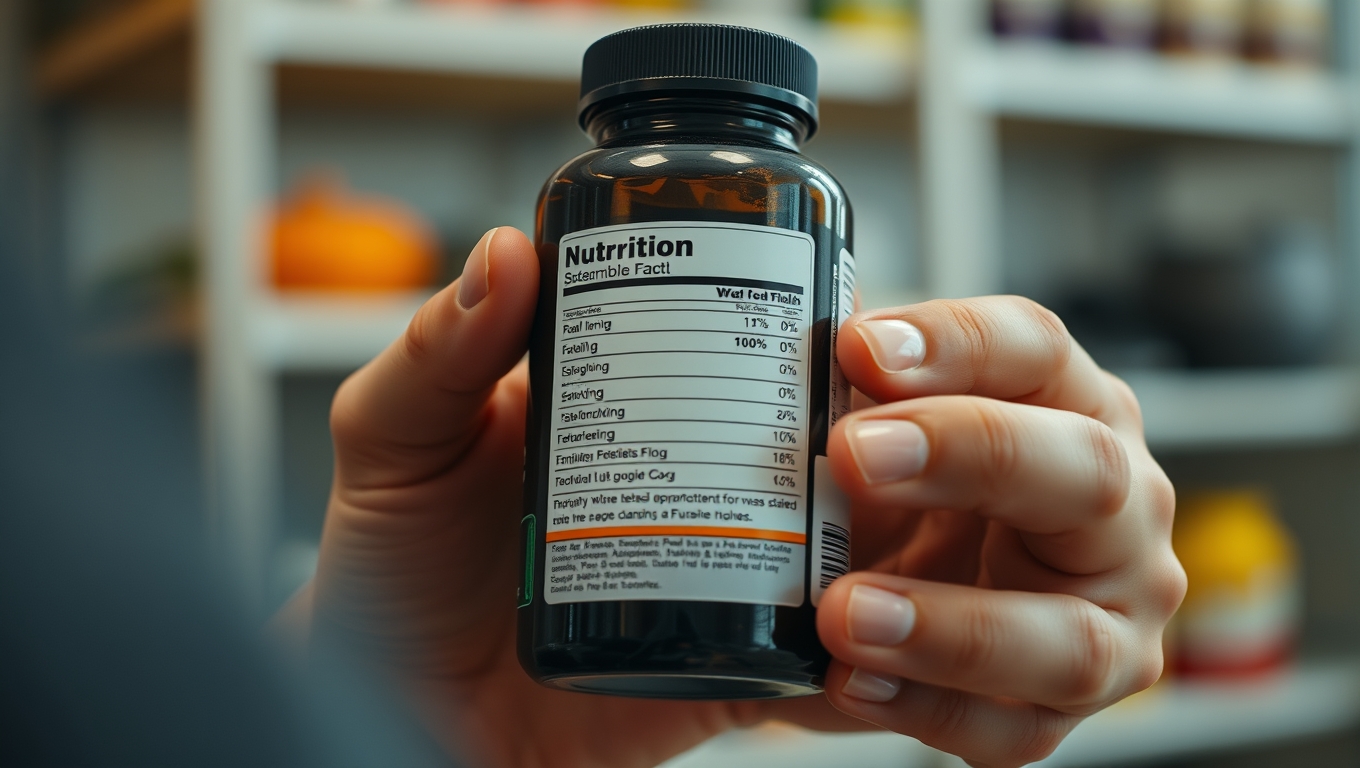
Practical Advice: How to Use Your Gut Health Powder Daily
So, you have bought the tub. Now, how to use it effectively? This is where many beginners stumble. They treat it like a pre-workout stimulant, expecting an immediate buzz, or they take it sporadically.
Consistency is King
The microbiome thrives on routine. Pick a time of day and stick to it. For most of my clients, first thing in the morning is best. It sets a positive intention for the day and ensures you don’t forget it later.
Start Low and Go Slow
This is crucial. If you introduce a high dose of prebiotics and fiber to a system that isn’t used to it, you are going to experience gas and bloating. Start with a half scoop for the first 5 to 7 days. Let your body adjust before moving to the full serving size.
Mixing Matters
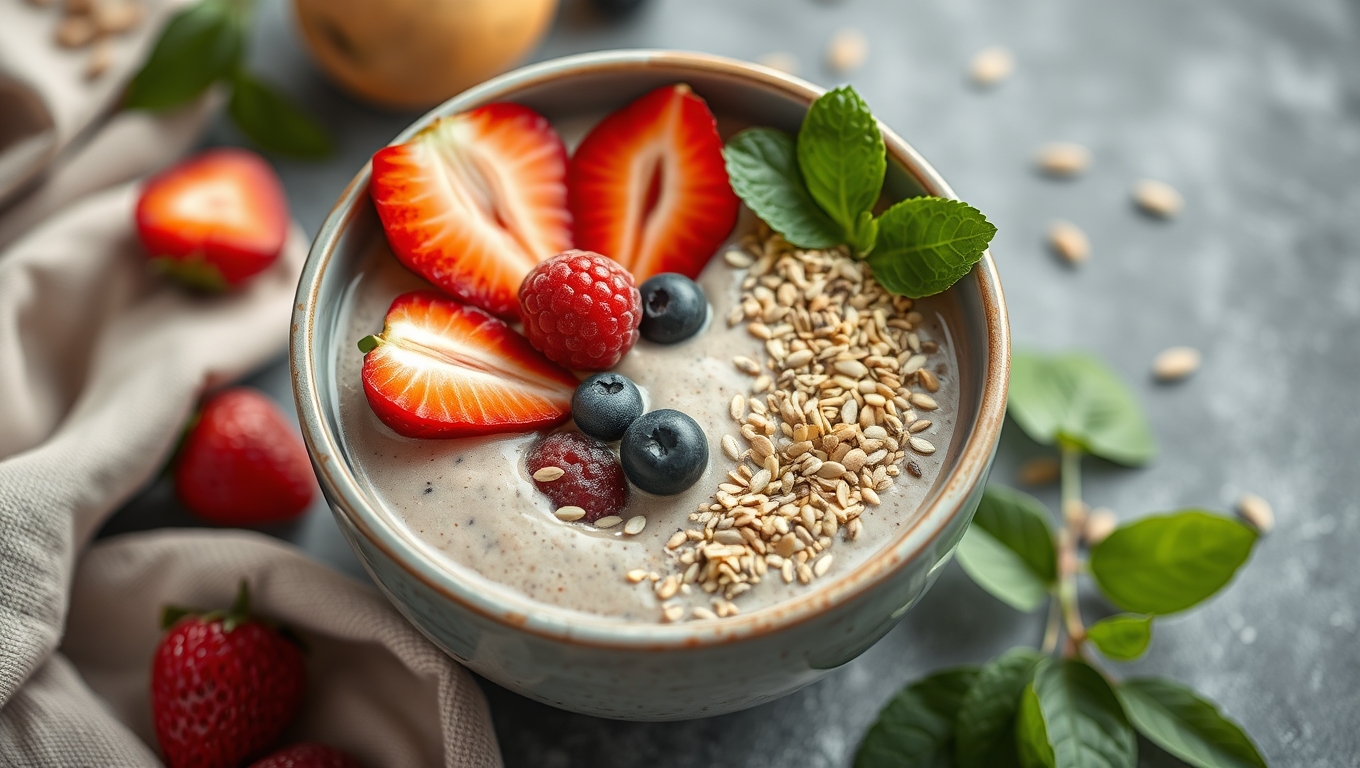
Most greens or gut powders taste… earthy. If you can handle the taste, mixing it with cold water is the most efficient method. However, if the flavor puts you off, blend it into a smoothie with berries and half a banana. Avoid mixing it into hot beverages like coffee or tea, as the high heat can kill the live probiotics you just paid for.
Hydration
When you increase your fiber intake via these powders, you must increase your water intake. Fiber needs water to move through your system. If you take a powder but don’t drink enough water, you can actually cause constipation the exact opposite of what we want.
Setting Realistic Expectations: When Will You See Results?
We live in a world of instant gratification, but biological healing takes time. When you start using a gut health powder, you are orchestrating a biological turnaround.
Week 1: You might actually feel a bit more bloated. This is normal. It is known as the “die off” reaction or simply your body adjusting to the increased fiber intake. Do not quit.
Week 2-3: The bloating should subside. You may notice your digestion becoming more regular. If you suffered from acid reflux or indigestion, these symptoms often start to fade during this window.
Month 1-3: This is where the real magic happens. Clients often report higher energy levels, clearer skin, and better recovery from workouts. The “brain fog” often lifts.
If you don’t feel a difference after 90 days, re-evaluate the product or consult with a healthcare professional. But give it the full three months. You are rebuilding an ecosystem, not fixing a leaky faucet.
Common Pitfalls to Avoid When Starting Your Supplement Journey
As an expert in this field, I see people make the same mistakes repeatedly. Let’s ensure you avoid them.
The “Magic Bullet” Mentality
No powder can undo the damage of a diet consisting entirely of fast food and alcohol. If you take the supplement but continue to eat processed junk, you are wasting your money. The powder is an ally, not a savior.
Ignoring Storage Instructions
Some powders require refrigeration to keep the bacteria alive. Others are shelf stable but will degrade if left in a hot car or a humid bathroom. Read the storage instructions carefully.
Overlapping Supplements
Be careful if you are already taking a fiber supplement or a separate probiotic pill. Doubling up can lead to significant digestive discomfort. Usually, a high quality all in one powder replaces the need for those separate pills.
Conclusion: Your Path to a Happier Gut Starts Here
Taking control of your health is empowering. By choosing to incorporate a gut health powder into your routine, you are signaling to your body that you care about its longevity and performance.
Remember, the goal is not perfection; it is progress. It is about waking up with more energy, digesting your food without pain, and feeling capable of tackling your workouts and your life.
Start with the research. Look for those key ingredients we discussed L-Glutamine, diverse strains, and quality fiber. Start your dosage slowly, listen to your body, and stay consistent. Your gut has been working hard for you since the day you were born; it’s time you returned the favor.
You’ve got this. Now, go fuel your body the right way.