
If you had asked me ten years ago what was in my fridge, I would have proudly shown you a gallon of skim milk. Like many of you, I grew up in the era where “fat” was a four letter word in the fitness industry. We were told that to get lean, we had to cut the cream. But after years of coaching clients and keeping up with the evolving nutritional science, my stance and my grocery list has completely changed.
It is time we have a serious conversation about the benefits of whole milk.
For decades, we’ve been engineered to believe that the removal of fat makes dairy healthier. However, by stripping away the fat, we are often stripping away the synergy that makes milk such a nutritional powerhouse. Today, full cream milk is making a massive comeback, not just among foodies, but among elite athletes and nutritionists who understand that whole foods offer something processed low fat versions cannot.
In this article, I want to walk you through why I switched back to the “real stuff,” and why, as a beginner on your fitness journey, you might want to consider doing the same.

Busting the Myth: Why Low Fat Isn’t Always Better
Let’s address the elephant in the room: calories. Yes, whole milk has more calories than skim milk. As a coach, I understand that calorie balance matters for weight loss. However, not all calories are created equal.
When food manufacturers remove fat from milk to create low fat or skim versions, they often lose flavor and mouthfeel. To compensate for this, many processed “low fat” foods (though not necessarily plain milk) add sugar or artificial thickeners to make the product palatable. But even with plain skim milk, you are missing out on the “food matrix” the complex interaction between nutrients.
The fear was that the saturated fat in whole milk would clog arteries and expand waistlines. However, modern research is painting a much more nuanced picture. We are learning that natural dairy fats behave differently in the body than processed industrial trans fats. By obsessing over the calorie count, we often ignore the hormonal and metabolic response to the food we eat. Drinking watery milk might save you 50 calories in the short term, but if it leaves you unsatisfied and reaching for a donut an hour later, those “saved” calories backfire.
The Role of Healthy Fats in Nutrient Absorption
This is one of the most critical aspects of nutrition that beginners often overlook. You can consume all the vitamins in the world, but if your body cannot absorb them, they are useless.
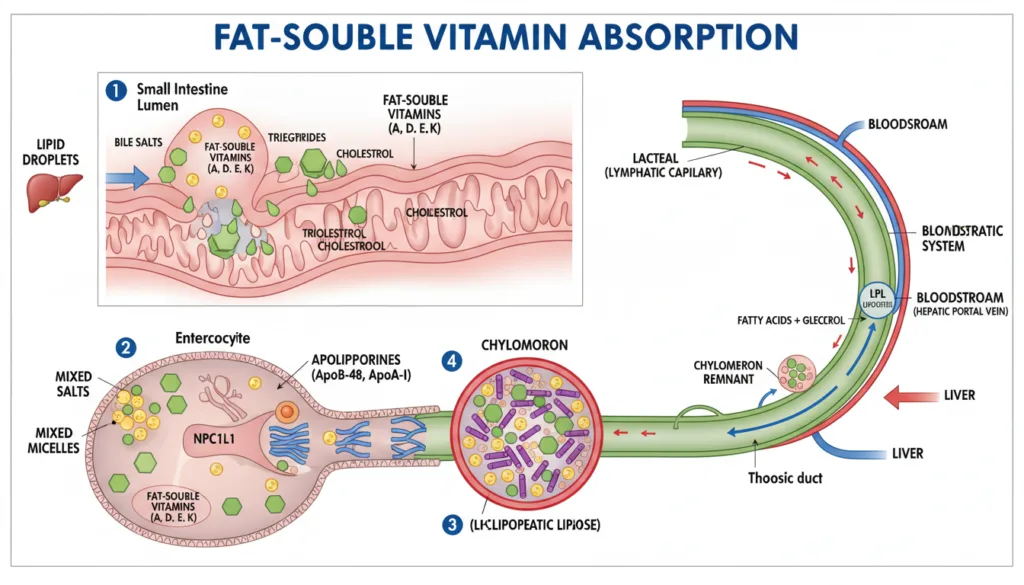
Many of the essential vitamins found in milk specifically Vitamins A, D, E, and K are fat soluble. This means they require dietary fat to be effectively transported and absorbed by your body. When you drink skim milk, which is fortified with Vitamin D, you don’t have the necessary fat vehicle to maximize that absorption.
The healthy fats naturally present in whole milk act as a delivery system. Nature packaged these nutrients together for a reason. When you consume whole milk, you aren’t just getting calcium; you are creating an environment in your digestive system where that calcium and Vitamin D can actually do their job.
Think of it this way: skim milk is like buying a high end furniture set (the vitamins) but forgetting to rent the moving truck (the fat) to get it into your house. Whole milk comes with the truck included.
Building Stronger Muscles with High Quality Dairy Protein
As a fitness coach, my primary goal is often helping clients build lean muscle mass. Muscle is the organ of longevity; it boosts your metabolism and protects your joints. When it comes to hypertrophy (muscle growth), milk is arguably one of the most cost effective supplements on the planet.
Milk contains two primary types of protein: whey and casein.
- Whey Protein: This is fast digesting and rapidly spikes amino acid levels in the blood, which is perfect for initiating muscle repair immediately after a workout.
- Casein Protein: This digests slowly, providing a steady stream of amino acids over several hours, preventing muscle breakdown.
However, the fat content in whole milk plays a role here too. Some studies suggest that milk after resistance exercise, despite having the same protein content. This goes back to the concept of the whole food matrix. The energy provided by the fat may spare the dairy protein, allowing it to be used strictly for muscle repair rather than being burned for energy.
If you are a “hard gainer” or someone struggling to put on strength, the extra caloric density provided by whole milk is a secret weapon. It provides the fuel your body needs to recover from strenuous lifting sessions.
The Secret to Satiety: How Full Cream Milk Keeps You Full Longer
One of the biggest hurdles my clients face is hunger. It is incredibly difficult to stick to a healthy eating plan when you are constantly fighting the urge to snack. This is where the difference between skim and whole milk becomes night and day.
Fat slows down gastric emptying. This means that when you consume full cream milk, it stays in your stomach longer than its fat free counterparts. This delayed digestion triggers the release of satiety hormones, sending a signal to your brain that you are full and satisfied.
I have seen this happen time and time again. A client drinks a smoothie made with water or skim milk, and they are hungry 45 minutes later. We switch them to whole milk, and they are powered through until lunch. By increasing your satiety, you naturally reduce your likelihood of snacking on processed junk food later in the day. In this ironic twist, eating more fat can actually help you control your total daily calorie intake.

Essential Vitamins and Minerals Found in Every Glass
While we often focus on the macros (protein and fat), we cannot ignore the micros. Whole milk is a nutrient dense beverage that acts as a multivitamin in liquid form.
- Calcium: Everyone knows milk is good for bones, but calcium is also vital for muscle contraction and heart function.
- Potassium: Crucial for maintaining healthy blood pressure and fluid balance.
- Magnesium: Essential for over 300 biochemical reactions in the body, including energy production.
- B Vitamins (especially B12): Vital for energy levels and red blood cell formation.
What makes whole milk superior here is the bioavailability. Because whole milk is a natural, minimally processed food, your body recognizes and utilizes these minerals efficiently. Many plant based alternatives, while great in their own right, often have to be heavily fortified with synthetic vitamins to match the profile of cow’s milk, and they often lack the bioavailability of the animal based original.
Supporting Bone Health Beyond Just Calcium
When we talk about the benefits of whole milk, bone health is usually the first thing that comes to mind. However, it is not just about the calcium. Strong bones require a team of nutrients working together.
We previously discussed how fat helps absorb Vitamin D. Vitamin D is the “key” that unlocks the door for calcium to enter your bones. Without sufficient Vitamin D, you can drink gallons of milk and still have weak bones.
Furthermore, dairy protein is a key component of bone structure. Bones are not just chalky mineral sticks; they are living tissue made of a protein matrix (collagen) mineralized with calcium and phosphorus. By providing high quality protein alongside calcium and bioavailable Vitamin D, whole milk offers a trifecta of bone supporting nutrients that is hard to beat with any other single food item.
For beginners, especially those over 30, prioritizing bone density is crucial. We reach our peak bone mass in our late 20s. After that, it’s about maintenance. Regular consumption of whole milk can be a cornerstone of a skeletal maintenance plan.
Surprising Links Between Whole Milk and Heart Health
Here is where the science gets really interesting and where it challenges the old dogma. For years, we were told that the saturated fat in dairy was a direct ticket to heart disease. However, large scale meta analyses in recent years have failed to find a consistent link between dairy fat intake and cardiovascular disease.
Some studies even suggest a protective effect.
Why? It appears that the specific types of fatty acids found in milk (such as odd chain fatty acids) have different biological effects than the saturated fats found in processed meats. Additionally, the presence of calcium and bioactive peptides in milk may help lower blood pressure.
While I am not telling you to drink a gallon a day if you have a specific medical condition (always consult your doctor), for the average healthy person, moderate consumption of healthy fats from dairy does not seem to pose the cardiac risk we once thought. In fact, fermented whole dairy products like yogurt and kefir are strongly linked to better metabolic health.
Easy Ways for Beginners to Enjoy Whole Milk Every Day
If you are ready to reintroduce whole milk into your diet, you don’t have to just drink it by the glass (though that is delicious). Here are some of my favorite ways to incorporate it:
1. The Powerhouse Post Workout Shake
Forget water. Mix your whey protein powder with 8-10 ounces of whole milk. You get the slow digesting casein, the fast digesting whey, and the healthy fats to restore your energy levels. It makes the shake creamier and much more satisfying.
2. Creamy Morning Oats
Oatmeal made with water is sad. Oatmeal made with whole milk is a meal. The milk adds protein to a largely carbohydrate based breakfast, blunting the insulin spike and keeping your energy stable throughout the morning.
3. Coffee Upgrade
If you are used to putting sugary chemical creamers in your coffee, swap them for a splash of whole milk. The natural sweetness of the lactose (milk sugar) combined with the creaminess often reduces the need for added sugar.
4. Golden Milk (Turmeric Latte)
This is a great recovery drink. Warm up a cup of whole milk and stir in turmeric, black pepper, ginger, and a little honey. The fat in the milk is essential here because curcumin (the active compound in turmeric) is fat soluble. You literally need the fat to get the anti-inflammatory benefits.
Final Thoughts: Embracing a Creamier Path to Wellness
Fitness and nutrition are rarely about extremes. They are about finding sustainable, nutrient dense sources of fuel that make your body feel good. For a long time, we demonized fat, and in doing so, we missed out on the holistic benefits of whole milk.
From better vitamin absorption and improved satiety to supporting muscle growth and bone density, whole milk is a functional superfood that deserves a spot in your fridge. It is reliable, affordable, and delicious.
So, don’t be afraid of the red cap in the dairy aisle. Pour yourself a glass, enjoy the rich taste, and toast to a stronger, healthier you.
Stay strong,
Adam Steele