

The routine is a staple in gyms across the world: you finish a grueling lifting session or an intense run, grab your towel, and step into the thick, wooden heat of the sauna. For many, this ritual is strictly about relaxation—a moment to decompress before returning to the chaos of daily life. But for others, the heat represents a “second workout,” a final push to melt away fat and accelerate results.
But what does the science actually say? Is the sweat dripping off your brow melting fat, or is it just dehydration?
The relationship between sauna weight loss after workout protocols and body composition is complex. While a sauna is not a magic oven that melts fat off the bone, expert analysis suggests that when used correctly, it acts as a powerful catalyst for weight loss mechanisms within the body.
This article delves into the physiological effects of post-workout sauna sessions, distinguishing between the illusion of water loss and the reality of metabolic acceleration.

The Immediate Illusion: Water Weight vs. Fat Loss
To understand the efficacy of sauna weight loss after workout routines, we must first address the elephant in the room: the scale.
If you weigh yourself before entering a sauna and again after a 20-minute session at 170°F (77°C), you will almost certainly see a lower number. It is not uncommon to lose 1 to 3 pounds in a single session. However, this immediate drop is not fat loss; it is fluid loss.
The body cools itself through thermoregulation. As your core temperature rises, your eccrine glands secrete sweat (water and electrolytes). When you rehydrate—which you absolutely must do—that weight will return. Relying on the scale immediately after a sauna creates a false feedback loop.
However, dismissing the sauna as merely a “water loss trick” ignores the deeper, systemic changes happening while you sweat. The real weight loss benefits are not found on the scale immediately after you step out, but in how the heat alters your metabolism, hormones, and recovery over the following 24 hours.
The Metabolic Boost: How Heat Mimics Cardio
When you step into a sauna after a workout, your body is forced to work hard to maintain its core temperature. This process places a demand on the cardiovascular system that is surprisingly similar to moderate-intensity exercise.
Heart Rate Elevation
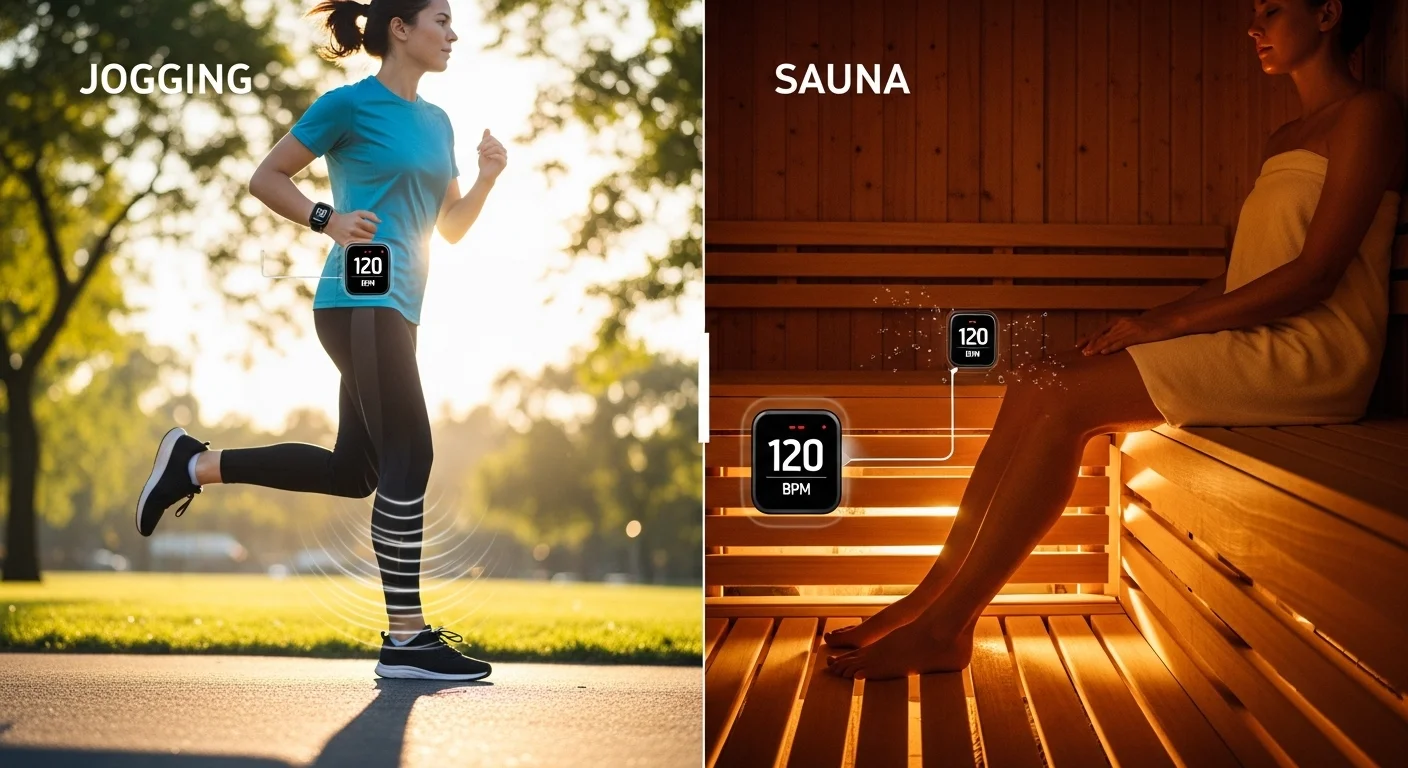
In a high-heat environment, blood vessels dilate (vasodilation), causing blood to rush toward the skin’s surface to cool down. To maintain blood pressure, the heart must pump harder and faster. Research indicates that during a sauna session, heart rates can rise to 100–150 beats per minute.
Physiologically, this mimics a brisk walk or a light jog. While you sit still, your cardiovascular system is performing an endurance workout. This increased cardiac output requires energy, which leads to calorie burning.
The “Afterburn” Effect
The concept of Excess Post-exercise Oxygen Consumption (EPOC) applies here. Because the sauna places a thermal load on the body, your system must expend energy to cool down and return to homeostasis once you step out. While the caloric burn of a sauna session (roughly 1.5 to 2 times the burn of sitting at room temperature) isn’t massive on its own, when stacked with a workout, it extends the duration of elevated metabolism.
The Hormonal Advantage: HGH and Cortisol
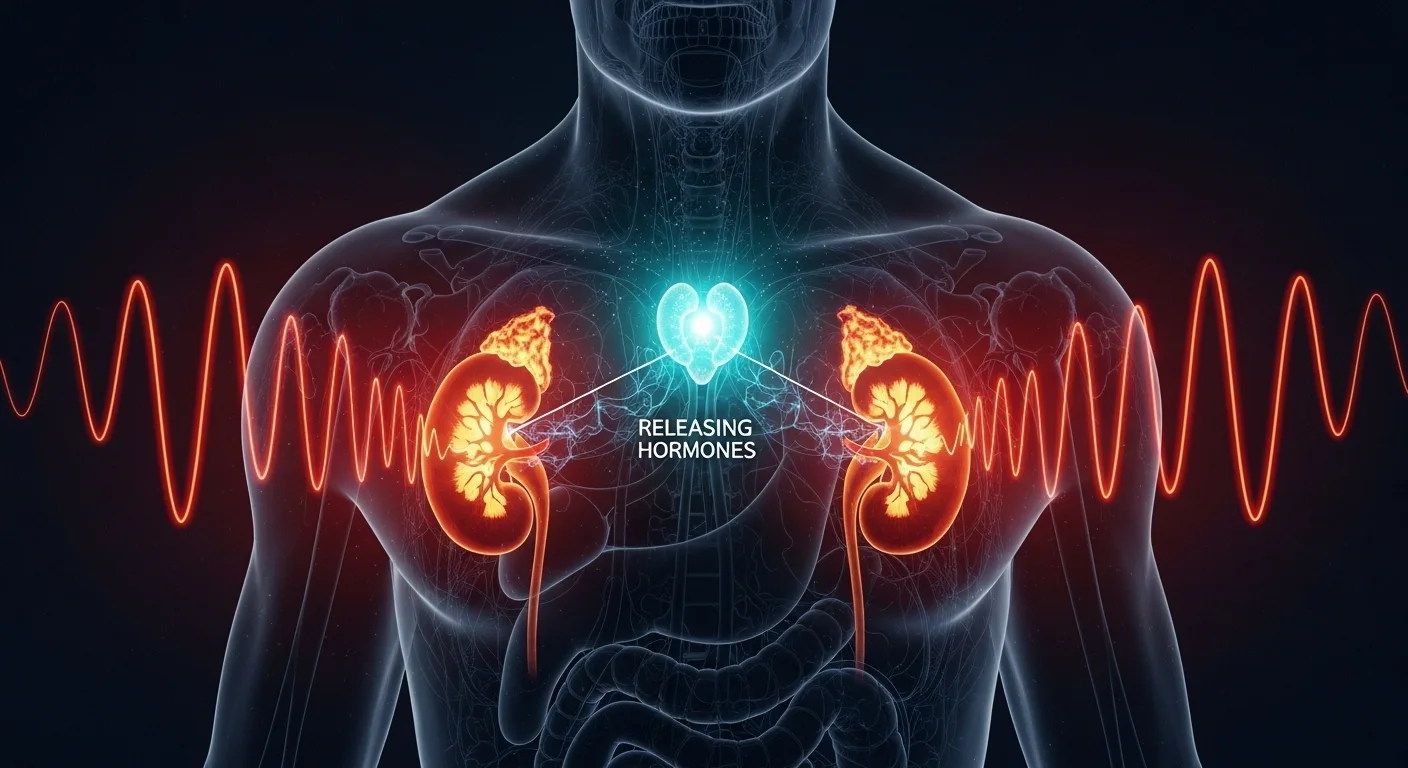
The most compelling argument for sauna weight loss after workout lies in endocrinology—the study of hormones. Weight loss is rarely just about calories in versus calories out; it is about how your body signals fuel usage.
Human Growth Hormone (HGH)
Human Growth Hormone is the holy grail for fitness enthusiasts. It is responsible for muscle growth and, crucially, lipolysis (the breakdown of fat). As we age, HGH levels naturally drop, making it harder to lose weight and keep muscle.
Heat stress is a potent trigger for HGH release. A study published in the Journal of Applied Physiology showed that repeated sauna use can boost HGH levels significantly. When you combine the mechanical stress of lifting weights (which releases HGH) with the thermal stress of a sauna (which releases more HGH), you create a synergistic anabolic environment.
More muscle mass increases your Basal Metabolic Rate (BMR), meaning you burn more calories at rest. Therefore, by boosting HGH, the sauna helps build the engine (muscle) that burns the fuel (fat).
Cortisol Regulation
Cortisol is the stress hormone. Chronically high cortisol levels are linked to visceral fat storage—that stubborn belly fat that is the hardest to lose. High-intensity workouts spike cortisol temporarily (which is necessary), but if you remain in a stressed state, your body holds onto fat.
The sauna moves the body from a sympathetic state (fight or flight) to a parasympathetic state (rest and digest). This relaxation response lowers cortisol levels post-workout, signaling to the body that it is safe to burn energy rather than store it.
Recovery as a Weight Loss Driver
One of the most overlooked aspects of weight loss is consistency. You cannot lose weight if you are too sore or injured to train. This is where sauna weight loss after workout strategies truly shine: by accelerating recovery.
Improved Circulation and Nutrient Delivery
The intense heat expands blood vessels, improving circulation not just to the skin, but to the muscles you just broke down. This increased blood flow shuttles oxygen and nutrients (glucose, amino acids) to torn muscle fibers while flushing out metabolic waste products like lactic acid.
Heat Shock Proteins (HSPs)
When exposed to thermal stress, cells produce Heat Shock Proteins. These proteins essentially act as “repair crews” for other proteins inside your cells. They ensure that proteins retain their proper shape and function. Increased levels of HSPs prevent muscle atrophy and speed up the repair process.
Faster recovery means you can train harder and more frequently. Over a month, performing 20 high-quality workouts because you recovered well will burn significantly more fat than performing 15 mediocre workouts because you were stiff and sore.
Traditional vs. Infrared: Does It Matter?
When discussing sauna weight loss after workout, the type of sauna is a common point of confusion.
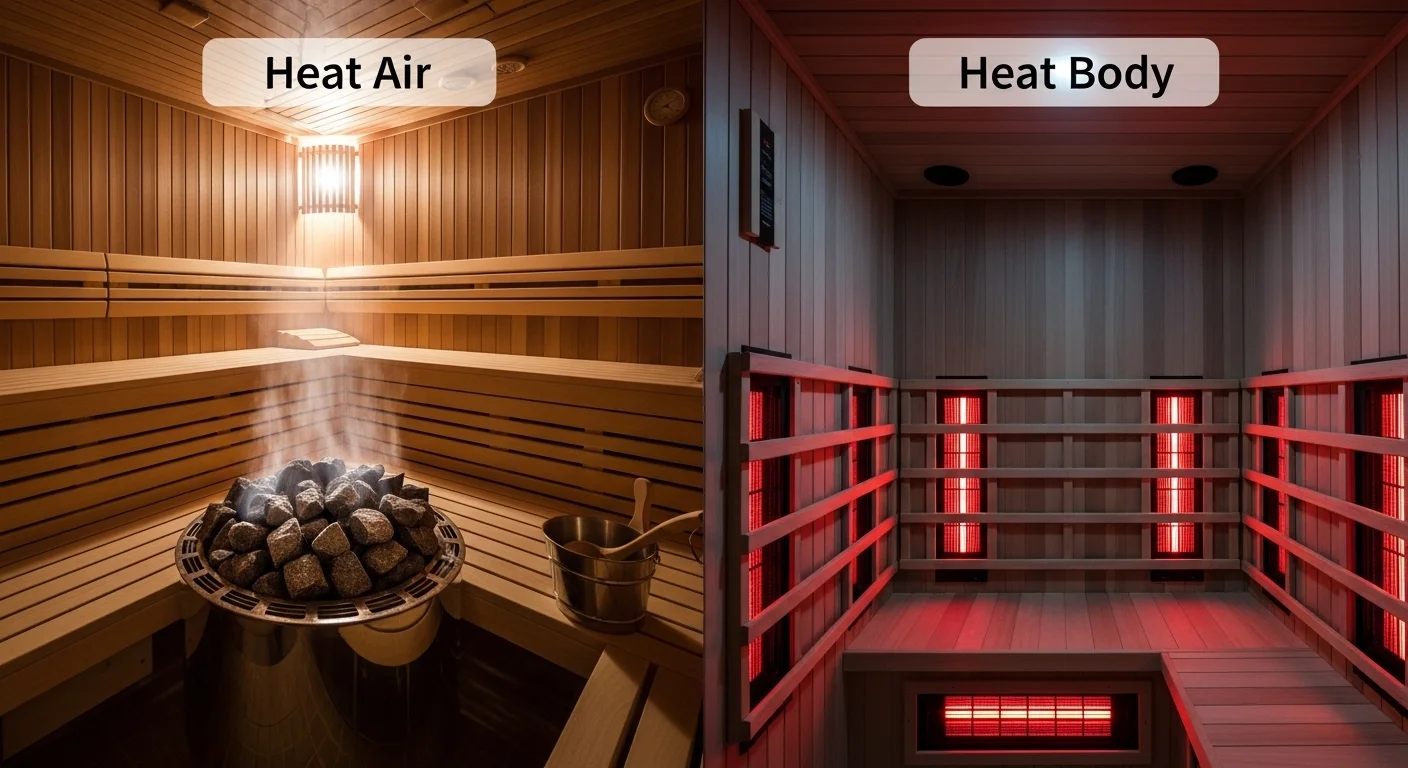
- Traditional Finnish Saunas: These use electric or wood stoves to heat rocks, creating high ambient temperatures (150°F–195°F). They heat you from the outside in.
- Infrared Saunas: These use light panels to emit infrared waves that penetrate the skin, heating the body directly without raising the ambient air temperature as high (usually 120°F–140°F).
For weight loss, both are effective, but they work slightly differently. Traditional saunas trigger a more intense immediate sweat and heart rate spike due to the sheer heat of the air. Infrared saunas are often tolerated longer, allowing for a prolonged session which may result in a comparable total physiological load.
Some studies suggest infrared heat penetrates deeper into neuromuscular tissue, potentially aiding recovery more efficiently, while traditional saunas provide a more robust cardiovascular challenge.
Safety and Protocol: How to Optimize the Burn
To utilize a sauna safely for weight loss, you must treat it with the same respect as the workout itself. Entering a sauna dehydrated after a heavy session can lead to heat exhaustion, fainting, or kidney stress.
The Protocol
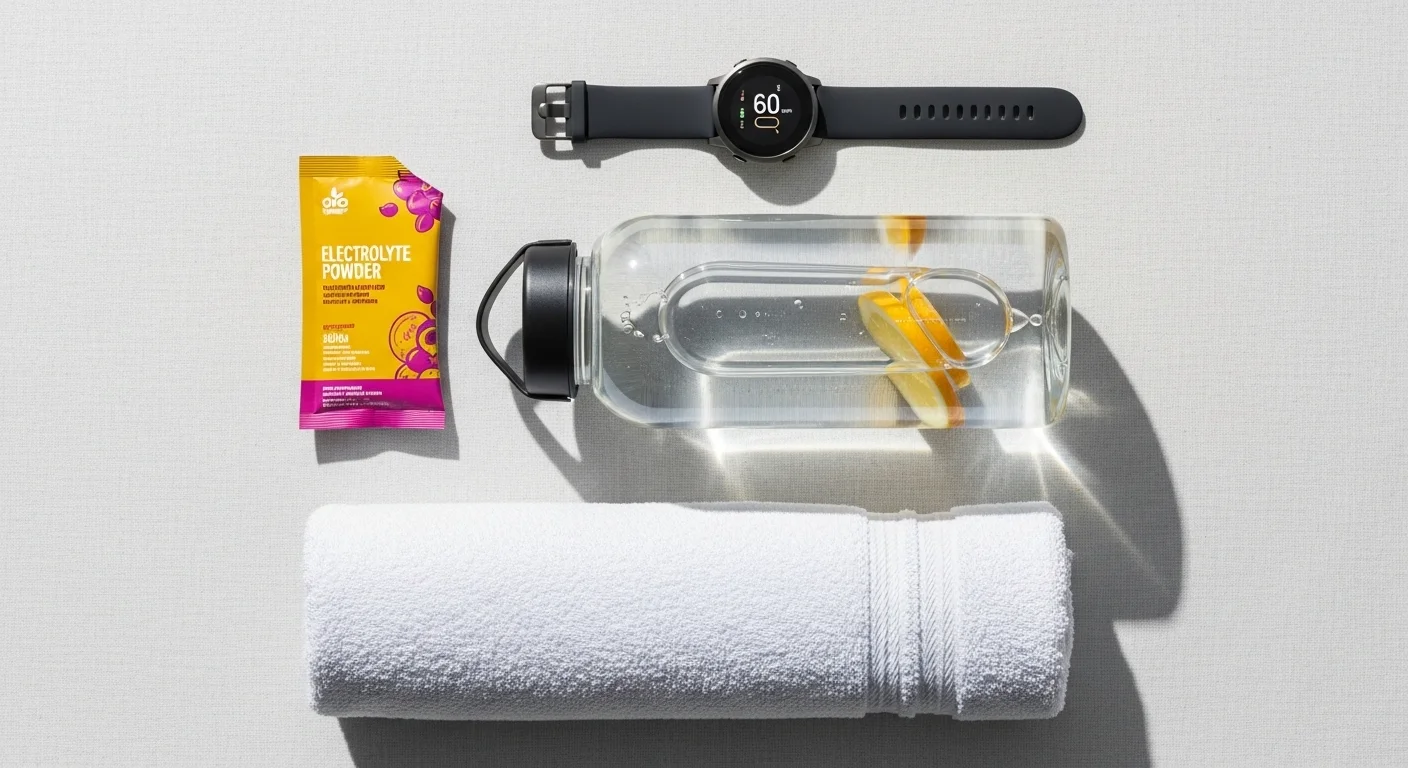
1. Hydrate First: Drink at least 16oz of water immediately after your workout and before entering the sauna.
2. The Window: Enter the sauna within 15–30 minutes of finishing your workout. This keeps your heart rate elevated and takes advantage of the post-workout hormonal window.
3. Duration: Aim for 15 to 20 minutes. If you are new to heat therapy, start with 10 minutes.
4. The Cool Down: Gradual cooling is better than immediate freezing cold (unless you are doing contrast therapy). Allow your body to normalize.
5. Electrolytes: Post-sauna rehydration must include electrolytes (sodium, potassium, magnesium). You lose significant minerals in sweat, and plain water will not replace them.
Who Should Avoid It?
Individuals with low blood pressure, heart conditions, or those who are pregnant should consult a physician. If you feel dizzy or lightheaded, exit immediately.
The Verdict
So, can a sauna after workout help you lose weight faster?
The answer is a qualified yes.
It is not a miracle cure that allows you to ignore diet and exercise. Sitting in a hot room will not compensate for a poor diet. However, as an ancillary tool to a solid fitness regimen, it is highly effective.
By extending the cardiovascular strain of a workout, boosting HGH for fat metabolism and muscle growth, lowering stress-induced cortisol, and dramatically speeding up recovery, the sauna creates the perfect internal environment for a lean physique.
Think of the workout as the spark that lights the fire of weight loss. The sauna is the bellows that fans the flames, making the fire burn hotter, longer, and more efficiently.
***
Frequently Asked Questions
Does wearing a sweat suit in the sauna help?
No. This is dangerous and counterproductive. It prevents sweat from evaporating, which stops the body from cooling itself, leading to rapid overheating and potential heat stroke without added metabolic benefit.
How often should I use the sauna for weight loss?
Consistency is key. 3 to 4 times a week, post-workout, is the sweet spot for seeing adaptations in blood volume, heart health, and recovery times.
Will I burn fat while sitting there?
You will burn calories while sitting there (more than sitting on the couch), but the primary fat loss mechanism is hormonal optimization and improved recovery that allows for better training long-term.