
As the seasons change and the air turns crisp, our culinary cravings often shift toward the comforting, hearty embrace of winter squashes. Among the pumpkin patches and butternut piles lies a somewhat smaller, ribbed, dark-green gem that often gets overlooked: the acorn squash.
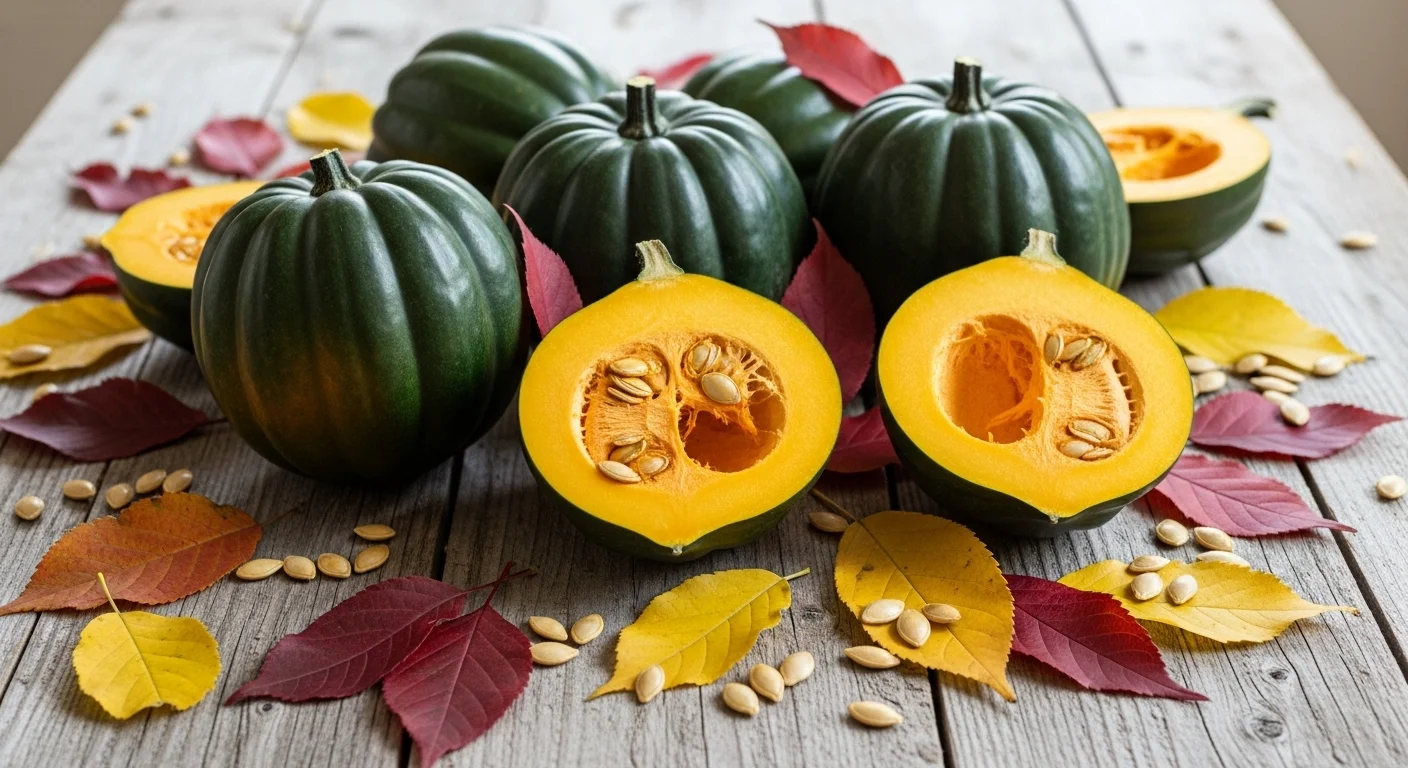
Botanically known as Cucurbita pepo, acorn squash is technically a winter squash, though it belongs to the same species as summer squashes like zucchini. With its distinct longitudinal ridges and sweet, yellow-orange flesh, it is not only a delight to the palate but also a nutritional powerhouse.
While often celebrated for its versatility in the kitchen—acting as the perfect vessel for savory stuffings or a sweet, roasted side dish—the acorn squash possesses a specific, potent set of benefits for cardiovascular health. From blood pressure regulation to cholesterol management, this vegetable is a heart-smart addition to any diet.
In this comprehensive guide, we will explore the nutritional science behind acorn squash and detail five compelling, heart-healthy reasons to make it a staple in your meal plan.
The Nutritional Snapshot
Before diving into the specific cardiovascular benefits, it is essential to understand the nutritional density of this vegetable. Acorn squash is low in calories but high in volume and nutrients, making it an “energy-dense” food in the best possible way.
A one-cup serving (approximately 205 grams) of baked acorn squash provides:
- Calories: ~115
- Fiber: 9 grams (36% of the Daily Value)
- Vitamin C: 22 mg (37% of the Daily Value)
- Potassium: ~890 mg (26% of the Daily Value)
- Magnesium: 88 mg (22% of the Daily Value)
- Vitamin A: Moderate amounts, primarily in the form of carotenoids.
It is this unique cocktail of minerals, fiber, and antioxidants that creates a synergistic effect, protecting the heart and vascular system from various angles.
1. A Potassium Powerhouse for Blood Pressure Regulation
When we think of potassium, the banana is often the poster child. However, acorn squash is the unsung hero of this vital mineral. In fact, a cup of cooked acorn squash contains significantly more potassium than a medium banana.
The Mechanism
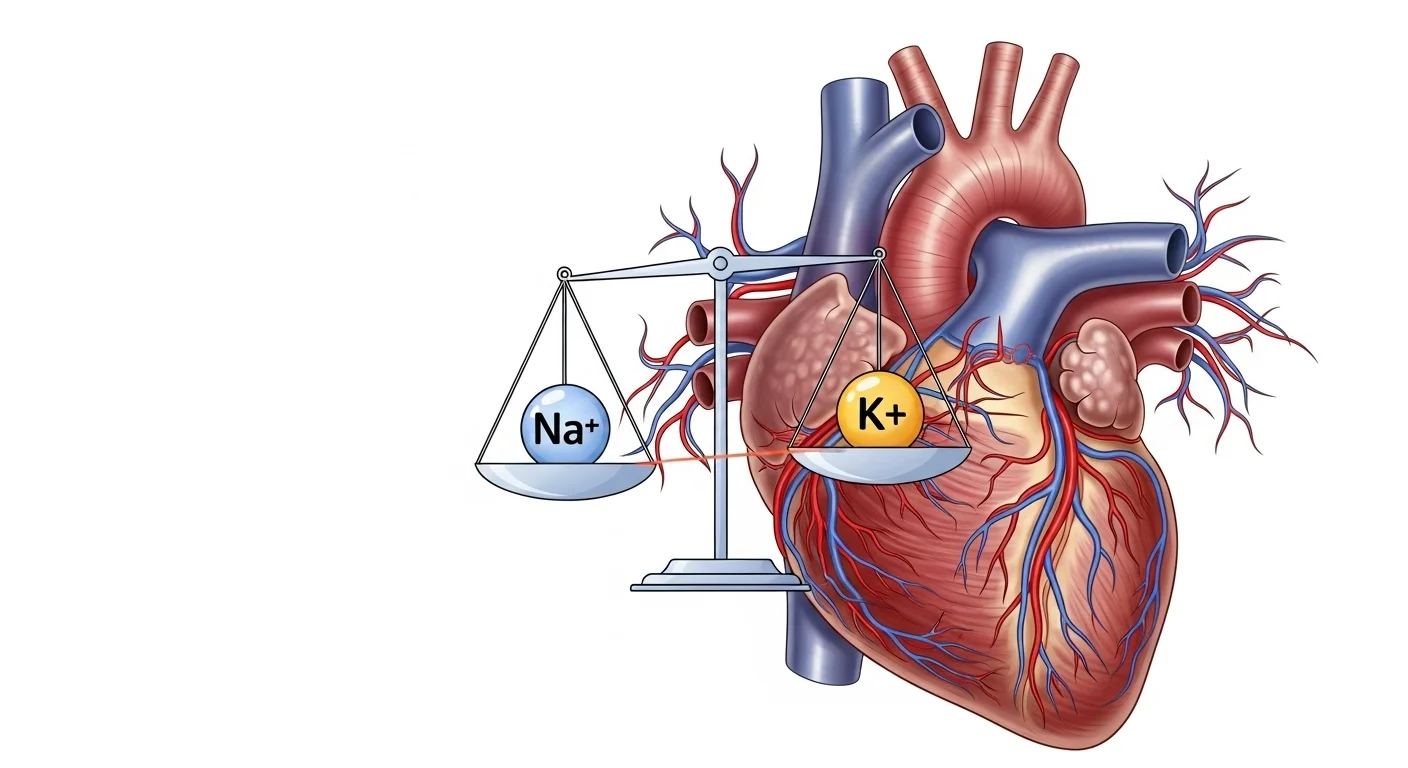
High blood pressure (hypertension) is a leading risk factor for heart disease and stroke. The modern diet is typically high in sodium and low in potassium, a ratio that creates a perfect storm for hypertension. Sodium causes the body to retain water, increasing the volume of blood the heart must pump, which raises pressure against artery walls.
Potassium acts as the physiological counterbalance to sodium. It helps the kidneys excrete excess sodium through urine. Furthermore, potassium acts as a vasodilator, meaning it helps relax the tension in the blood vessel walls, allowing blood to flow more freely.
The Benefit
By integrating acorn squash into your weekly meal rotation, you are actively helping your body reset its sodium-potassium balance. This natural regulation helps maintain systolic and diastolic blood pressure within a healthy range, reducing the mechanical strain on the heart muscle.
2. Soluble Fiber for Cholesterol Management
Dietary fiber is often discussed in the context of digestion, but its role in heart health is equally profound. Acorn squash is exceptionally high in fiber, providing nearly 9 grams per cup. To put that in perspective, the American Heart Association recommends 25 to 30 grams per day, meaning a single serving of squash provides nearly a third of your daily requirement.
The Mechanism
Acorn squash contains both soluble and insoluble fiber, but it is the soluble fiber that serves as a guardian for your arteries. Soluble fiber dissolves in water to form a gel-like substance in the gut. As it moves through the digestive system, it binds to bile acids (which are made from cholesterol) and removes them from the body via waste.
To replace these lost bile acids, the liver must pull cholesterol from the bloodstream, thereby lowering your total cholesterol and LDL (the “bad”) cholesterol levels.
The Benefit
Elevated LDL cholesterol can lead to the buildup of plaque in the arteries (atherosclerosis), narrowing the pathways for blood flow and increasing the risk of heart attack. The high fiber content in acorn squash acts as a natural “scrubber,” helping to keep lipid levels in check and arteries clear.
3. A Rich Source of Antioxidants to Combat Oxidative Stress
Heart disease is effectively an inflammatory disease. Oxidative stress—an imbalance between free radicals and antioxidants in your body—can damage the endothelium (the inner lining of the blood vessels). This damage is often the precursor to plaque buildup.
The Mechanism
Acorn squash derives its vibrant yellow-orange hue from carotenoids, specifically beta-carotene, alpha-carotene, and lutein. It is also a robust source of Vitamin C.
- Vitamin C: Prevents the oxidation of LDL cholesterol. While LDL is “bad,” oxidized LDL is significantly worse, as it is more likely to stick to artery walls.
- Carotenoids: These powerful plant compounds reduce systemic inflammation. Studies have shown that higher blood levels of carotenoids are associated with a reduced risk of cardiovascular disease.
The Benefit
Think of the antioxidants in acorn squash as a rust-proofing treatment for your cardiovascular system. By neutralizing free radicals, they preserve the elasticity and integrity of your blood vessels, preventing the stiffening of arteries often associated with aging and poor diet.

4. Magnesium and Folate: The Rhythm and Protection Duo
While potassium and fiber get the headlines, acorn squash also delivers impressive amounts of magnesium and folate (Vitamin B9), two nutrients that are critical for heart function yet often deficient in standard diets.
Magnesium: The Electrical Conductor
Magnesium is essential for more than 300 biochemical reactions in the body, including the regulation of muscle function. Since the heart is a muscle, magnesium is vital for maintaining a steady heartbeat. It helps coordinate the electrical signals that tell the heart when to contract and relax. A deficiency in magnesium is often linked to arrhythmias (irregular heartbeats) and palpitations.
Folate: The Homocysteine Breaker
Folate plays a specialized role in breaking down an amino acid called homocysteine. High levels of homocysteine in the blood are dangerous; they can damage the lining of the arteries and encourage blood clotting. By ensuring adequate folate intake through foods like acorn squash, you help convert homocysteine into methionine (a harmless amino acid), thereby removing a silent threat to your vascular health.
The Benefit
Regular consumption of acorn squash supports the heart’s electrical stability and reduces chemical risks within the blood, offering a dual-layer of protection against sudden cardiac events and chronic vascular damage.
5. Weight Management and Metabolic Health
Obesity is an independent risk factor for cardiovascular disease. Excess adipose tissue, particularly visceral fat around the abdomen, releases inflammatory markers that stress the heart. Furthermore, obesity is closely tied to Type 2 diabetes, which dramatically increases heart disease risk.
The Mechanism
This is where the concept of volumetrics comes into play. Acorn squash allows you to eat a large volume of food for very few calories. Because of its high water and fiber content, it triggers satiety signals (hormones like leptin) faster and keeps you full longer than refined carbohydrates like white rice or pasta.
Furthermore, the complex carbohydrates in acorn squash digest slowly. Unlike sugary foods that cause insulin spikes, acorn squash provides a steady release of energy. This helps prevent insulin resistance—a metabolic condition that hardens arteries and raises blood pressure.
The Benefit
Replacing calorie-dense, nutrient-poor sides (like fries or buttery mashed potatoes) with roasted acorn squash creates a caloric deficit without the feeling of deprivation. Maintaining a healthy weight reduces the workload on the heart and decreases the risk of developing metabolic syndrome.

Selecting, Storing, and Preparing Acorn Squash
To reap these benefits, you need to know how to handle the vegetable.
Selection and Storage
- Weight: Choose a squash that feels heavy for its size. This indicates high water content and freshness.
- Skin: Look for a dull, dark green skin. An orange patch is normal (that’s where it sat on the ground), but if the whole squash is turning orange, it may be over-mature and stringy. Shiny skin usually indicates it was picked too early.
- Storage: Store whole squash in a cool, dry place (50°F to 55°F is ideal). It can last up to a month. Once cut, wrap it tightly in plastic and refrigerate for up to 4 days.
Culinary Techniques for Heart Health
Avoid drowning this healthy vegetable in brown sugar and excessive butter, which is a common preparation method. Instead, opt for savory, heart-healthy fats and spices.
1. The Savory Roast:
Cut the squash in half, scoop out the seeds, and slice into wedges. Toss with olive oil (healthy monounsaturated fats), rosemary, thyme, and a pinch of sea salt. Roast at 400°F (200°C) for 30–40 minutes until tender.
2. The Nutrient-Dense Stuffing:
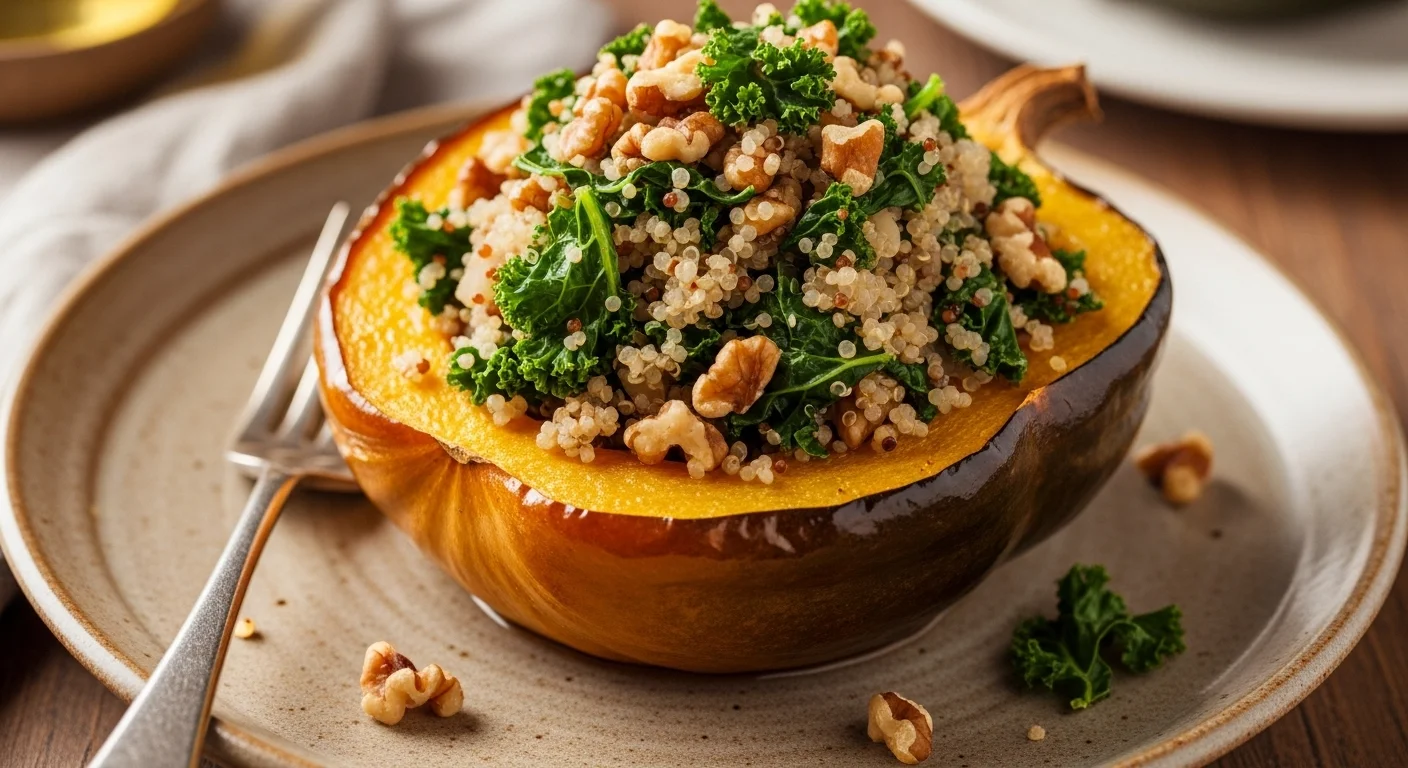
Roast halved squash until semi-soft. Stuff with a mixture of quinoa, chopped kale, walnuts (Omega-3s), and pomegranate seeds. Bake for another 15 minutes. This creates a complete, heart-healthy meal.
3. The Cream-less Soup:
Simmer cubed squash with onions, garlic, and vegetable broth. Blend until smooth. The natural starchiness of the squash creates a creamy texture without the need for heavy cream, keeping saturated fat low.
A Note on Potential Drawbacks
While acorn squash is a superfood, moderation and context are key for certain individuals:
- Potassium Restrictions: For individuals with advanced chronic kidney disease (CKD), kidneys may struggle to filter excess potassium from the blood. Since acorn squash is very high in potassium, those on a potassium-restricted diet should consult their nephrologist or dietitian before consuming large amounts.
- Beta-Blockers: People taking beta-blockers for heart conditions may have higher potassium levels naturally; adding high-potassium foods should be done with medical guidance to avoid hyperkalemia.
Conclusion
The path to a healthier heart is rarely found in a pill alone; it is paved with the daily choices we make at the dinner table. Acorn squash offers a rare combination of culinary delight and medicinal utility. It is a formidable weapon against high blood pressure, a regulator of cholesterol, and a guardian against inflammation.
By incorporating this winter staple into your meal plan—whether roasted, stuffed, or pureed—you are providing your cardiovascular system with the essential tools it needs to function optimally. So, next time you are in the produce aisle, reach for the dark green, ridged squash. Your heart will thank you.